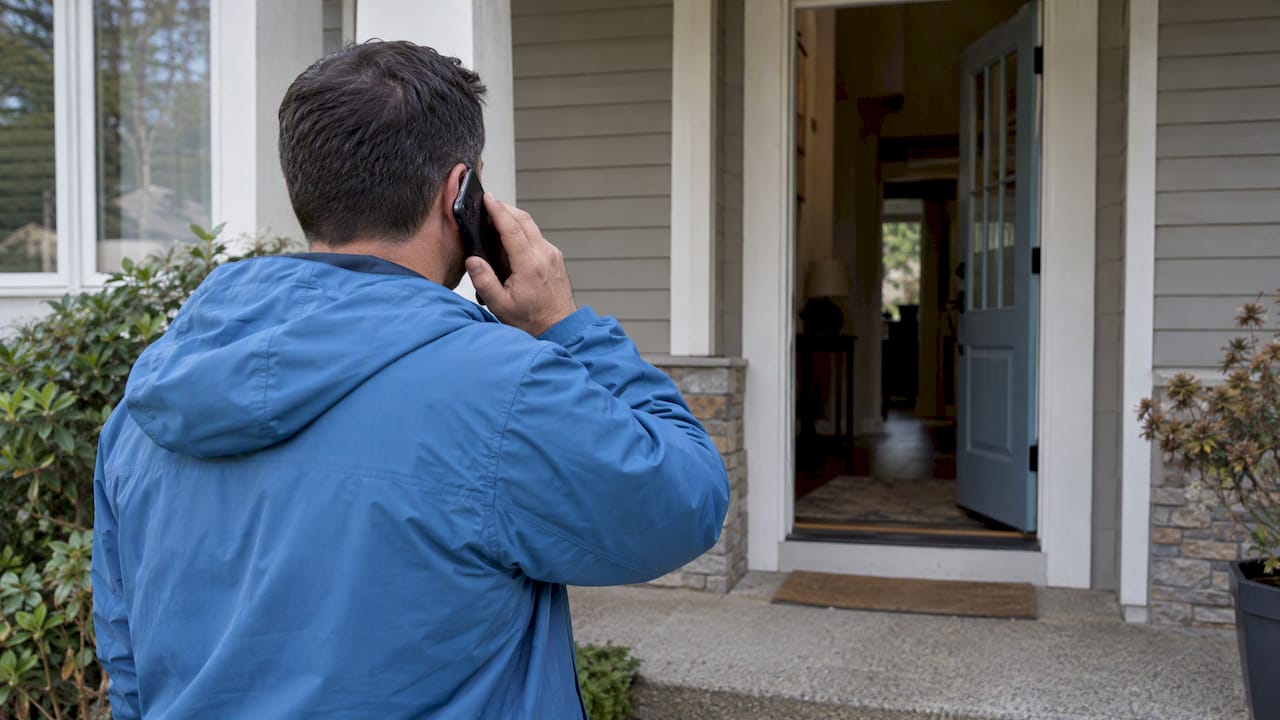
If you smell gas in your house, leave immediately with everyone and any pets, and call your gas utility’s emergency line or 911 once you are safely outside. Do not flip light switches, use your phone indoors, or try to locate the source yourself. Utilities typically send emergency technicians at no charge, day or night, so let trained responders take it from there.
TL;DR:
- Avoid switches, indoor phone calls, flames, and starting a car in an attached garage; even a small spark can ignite accumulated gas.
- Odor alone can mislead because fatigue, illness, or fading odorant may mask gas; hissing pipes, dead plants, disturbed soil, or yellow flames can signal leaks.
- Carbon monoxide has no smell, color, or taste; if household members feel flu symptoms that ease outside, leave and tell responders CO is suspected.
- Gas utility technicians investigate and stabilize leaks, often without charge, but licensed specialists handle repairs; reenter only after a responder explicitly clears the home.
- Maintain furnaces, water heaters, vents, and chimneys, and install carbon monoxide alarms on every level; gas detectors do not detect CO.
Table of Contents
- Your step-by-step checklist for a suspected gas leak
- How to tell if it’s really a gas leak
- Carbon monoxide: the danger you can’t smell at all
- Who to call and what happens after you dial
- How professionals actually find and clear a leak
- Preventing the next leak before it starts
- When it’s safe to go back inside
- Why acting fast matters more than figuring it out yourself
- How we help after a suspected gas leak
- FAQ
- Sources
Your step-by-step checklist for a suspected gas leak
The moment you notice that rotten-egg odor, speed and order matter more than anything else. Here is the sequence to follow without stopping to think it through.
- Get everyone out. Walk calmly, don’t run and bump into things, and bring pets with you if you can do so quickly.
- Move away from the house. Some utilities recommend getting at least 350 feet from the building before stopping.
- Call from outside, never from inside. Dial your gas utility’s emergency number or 911 once you’re clear of the structure.
- Describe what you noticed. Mention the smell, any hissing sounds, and roughly where in the house it seemed strongest.
- Wait for professionals. Don’t go back in for anything, including wallets, pets you forgot, or to open windows.
While you’re moving through that list, avoid anything that could spark the gas. That means no light switches, no phone calls from inside, no matches or lighters, and no starting a car in an attached garage. A tiny electrical spark is enough to ignite accumulated gas, which is why professionals treat every switch and outlet as a potential hazard until the air is cleared. If neighbors are nearby, a quick warning as you pass helps keep them clear of the area too, and keeping bystanders back gives responders room to work once they arrive.
Pro Tip: Keep your gas utility’s emergency number saved in your phone contacts now, before you ever need it, since looking it up during an emergency wastes time you don’t have.
How to tell if it’s really a gas leak
Natural gas has no odor on its own. Utility companies add a chemical called mercaptan specifically so leaks produce that distinctive sulfur or rotten-egg smell you can recognize. That said, smell alone isn’t foolproof. Your nose can experience odor fatigue after a few minutes of exposure, a cold or sinus infection can dull your sense of smell entirely, and the odorant itself can fade over long pipe runs. That’s why it helps to know the other warning signs as well.
- A hissing or whistling sound near a gas meter, appliance connection, or pipe joint often means gas is actively escaping.
- Dead or yellowing patches of grass or plants above or near buried gas lines can signal an underground leak.
- Dust, dirt, or bubbles kicked up from soil near a gas line, without an obvious cause, is worth treating as a red flag.
- A burner flame that burns orange or yellow instead of blue may point to a combustion or gas supply problem.
Some household smells get mistaken for gas leaks, including sewer gas backing up from a drain or spoiled food in a forgotten corner of the kitchen. None of that should slow you down, though. If something smells like gas and you’re not certain, treat it as a leak and evacuate. The cost of being wrong about a sewer smell is a few minutes outside. The cost of being wrong about a real leak is far higher.
Carbon monoxide: the danger you can’t smell at all
Natural gas leaks get the attention, but carbon monoxide from malfunctioning gas appliances is a separate and silent threat. Unlike a leak at the meter or pipeline, CO has no smell, no color, and no taste, which is exactly why it catches people off guard. It comes from furnaces, water heaters, stoves, and other fuel-burning appliances that aren’t venting properly.
Symptoms of carbon monoxide exposure include headache, dizziness, weakness, nausea, vomiting, chest pain, and confusion, and at high concentrations, exposure can be fatal within minutes. These symptoms are frequently mistaken for the flu, which delays people from getting out of the house when they need to.
One pattern is especially telling: if everyone in the home feels sick with flu-like symptoms that improve as soon as they step outside, that’s a classic sign of CO exposure or an appliance combustion problem, not an actual flu. Hundreds of people die annually in the US from non-fire-related CO poisoning, with a notable share of those cases tied to consumer products like portable generators and space heaters.
- CO alarms and natural gas detectors serve different purposes, so one doesn’t substitute for the other.
- If a CO alarm sounds and anyone feels symptoms, leave the house immediately and get medical evaluation.
- Tell emergency responders you suspect carbon monoxide exposure so they bring the right equipment.
Who to call and what happens after you dial
Once you’re safely outside, your two options are your gas utility’s emergency line or 911, and either one will get a trained response moving. Utility companies generally treat suspected gas leaks as a priority and dispatch emergency technicians 24 hours a day at no charge to investigate. Firefighters may also respond alongside or ahead of the utility crew, particularly if the smell is strong or there’s reason to believe gas has been accumulating for a while.
Once on scene, responders and utility technicians focus on a few things in order:
- Confirming whether gas is present and how concentrated it is.
- Isolating the leak, often by shutting off supply at the meter.
- Determining whether the building is safe to re-enter or needs to stay evacuated.
What they typically don’t do is complete repairs on the spot. That part falls to a licensed plumber or gas-line specialist, who handles everything from replacing a corroded fitting to repairing a damaged gas line and getting appliances serviced and recertified for use. Utility technicians stabilize the emergency, and licensed professionals restore the system to normal working order.
How professionals actually find and clear a leak
What a technician does on site is more methodical than most homeowners expect, and understanding it helps explain why re-entry sometimes takes longer than you’d like. Electronic gas detectors and handheld “sniffers” let technicians trace a leak’s path along pipes, fittings, and appliance connections without guessing. Combined with visual inspection and pressure testing on the line, this lets them pinpoint the exact failure point rather than just confirming gas is present somewhere nearby.

On-site work usually includes shutting off supply at the meter, ventilating the structure by opening doors and windows under controlled conditions, and running a pressure test to check whether the system holds steady once the suspected leak point is isolated. Any appliance that shows signs of a faulty connection or improper venting typically gets tagged out of service until it can be repaired or replaced.
A thorough gas line inspection covers connections, fittings, and appliance hookups that a quick visual check would miss. Timelines vary depending on what’s found. A loose fitting might be fixed quickly, while a corroded underground line could mean a longer repair and a follow-up inspection before anyone moves back in.
Preventing the next leak before it starts
Most gas leaks and CO incidents trace back to aging equipment, poor maintenance, or appliances used in ways they weren’t designed for. A few consistent habits cut that risk substantially.
- Install carbon monoxide alarms on every level of your home, especially near sleeping areas, and choose devices that meet recognized standards like UL 2034.
- Schedule regular inspections for furnaces, water heaters, and any other fuel-burning appliance, along with their vents and chimneys, to catch combustion problems early.
- Never run a generator or grill indoors, in a garage, or near an open window, since both can produce dangerous CO.
- Skip the oven as a space heater. It’s not designed for sustained heating and raises CO risk significantly.
- Test detectors monthly and replace batteries according to the manufacturer’s schedule, not just when they start chirping.
If your home has been through a gas or CO incident, replace both gas and CO detectors afterward rather than assuming they still work correctly. The CDC and CPSC caution against relying on uncertified combination alarms, since some recalled models have failed to alert occupants to dangerous gas or CO levels when it mattered most.
Pro Tip: Mark your detector replacement dates on a calendar or phone reminder. CO alarms may need replacing over time even if they’re still beeping on schedule during tests. Follow the manufacturer’s replacement guidance.
A partner resource on what to do in the first hour after a heater smells like burning is worth a look if your concern is more about a furnace or heating system odor than a suspected gas line leak. These overlap more than people expect, since a struggling furnace can produce both unusual smells and elevated CO.
When it’s safe to go back inside
Only return home after a utility technician, firefighter, or licensed plumber explicitly tells you it’s safe. Don’t rely on the smell fading as your cue. Gas can still be present even after the odor seems to dissipate, and CO gives no odor warning at all.
Once you’re cleared to return, have any appliance that was shut off or tagged during the response inspected and serviced before using it again. This applies even if the appliance seems to be working fine. Finally, test your gas and CO detectors to confirm they’re functioning, and replace any unit involved in the incident rather than trusting it going forward.
Why acting fast matters more than figuring it out yourself
Every year, people delay evacuating because they want to confirm the smell first, check one more room, or grab something on the way out. That hesitation is where real risk lives. A gas leak that seems manageable can ignite from a single spark, and carbon monoxide can impair judgment before someone realizes anything is wrong.
Licensed technicians carry detection equipment and training that no homeowner has on hand, and that’s exactly why the fastest safe outcome is always to leave and let them handle it. Scheduling routine inspections is a small habit that can catch problems before they become an emergency.
— Serghei
How we help after a suspected gas leak
Once your utility or local fire department has cleared your home, we step in for the part that actually restores normal life: inspection, diagnosis, and repair. As a plumbing team, we handle gas-line inspections, appliance reconnections, and the follow-up work that gets your system back to safe, working order.

- We coordinate directly with your utility’s findings so nothing gets repeated or missed.
- Our technicians inspect fittings, connections, and appliance hookups that a quick walkthrough wouldn’t catch.
- We handle repairs and give you clear documentation once the work is complete.
If you need an inspection after an incident or want to get ahead of one with a scheduled safety check, request a free quote on our gas line inspection services and we’ll arrange the next steps.
This article is general information, not a substitute for advice from a qualified doctor. Consult a qualified healthcare professional about your own circumstances before acting on anything here.
FAQ
What can be mistaken for a gas smell?
Sewer gas backing up from a drain, spoiled food, and even certain cleaning products can produce odors similar to natural gas. If you’re unsure, treat it as a possible leak and evacuate first, since confirming the source isn’t worth the risk.
How to tell if a smell is a gas leak?
The classic sign is a sulfur or rotten-egg odor, which utilities add specifically so leaks are noticeable. Hissing sounds near pipes or meters, dead vegetation near buried gas lines, and an orange or yellow burner flame are additional clues that often appear alongside the smell.
Can a minor gas leak make you sick?
Yes, even a small leak can cause headache, dizziness, or nausea with prolonged exposure, and a related issue like a malfunctioning appliance can produce dangerous carbon monoxide with symptoms including confusion and chest pain. Any suspected leak, minor or not, calls for evacuation and a call to your utility or 911.
Would a gas leak smell in the whole house?
Not necessarily. The odor can be stronger near the source, such as a specific appliance or pipe connection, and weaker or undetectable in other rooms due to ventilation and odor fade. A smell in just one area of the house is still a reason to evacuate everyone, not just that room.
Leave a Reply