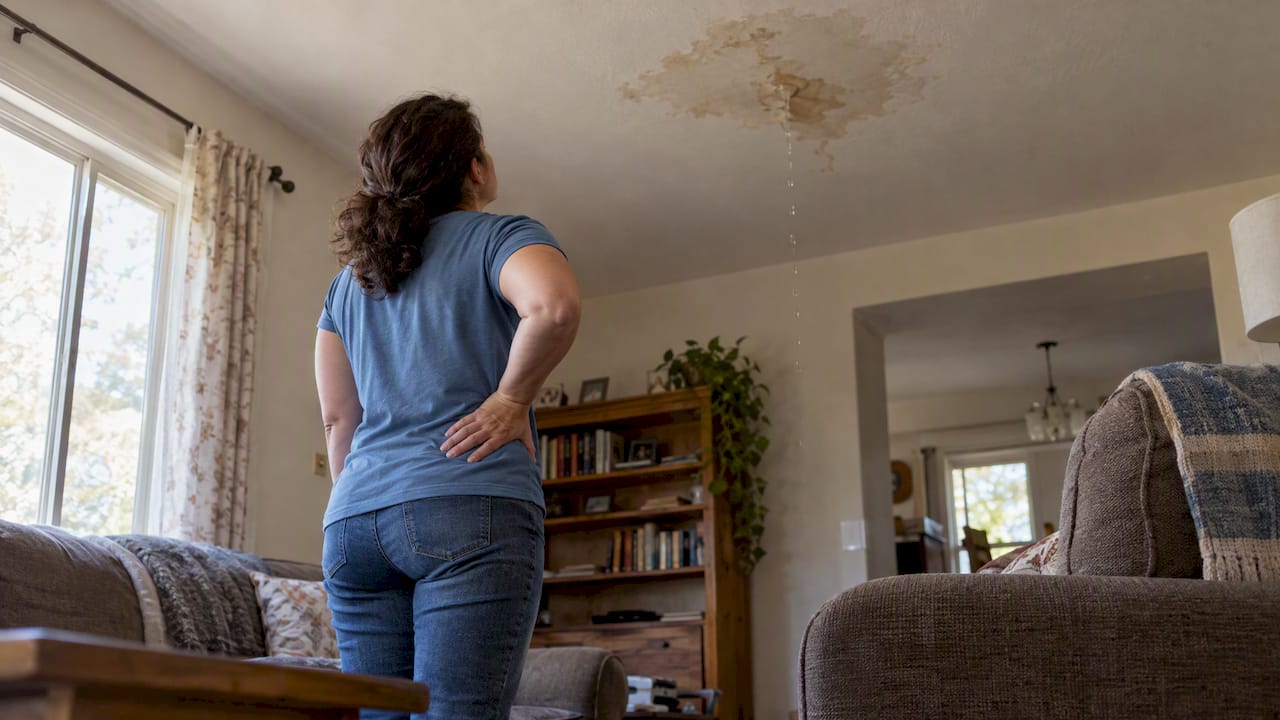
Call a plumber right away for burst pipes, sewage backups, no water, major leaks, or a water heater that’s leaking or spitting out gas fumes. These situations put your home and your family’s safety at risk, and both the EPA and the Better Business Bureau agree that waiting only makes the damage and the bill bigger. Smaller issues, like a slow drain or a loose fitting, are often safe to handle yourself first.
TL;DR:
- Clogs affecting several drains at once usually point to the main sewer line, while a slow drain that resists plunging may signal a deeper blockage.
- Plunging drains, clearing an accessible P trap, replacing a toilet flapper, or tightening a fitting are reasonable DIY fixes; stop if water returns.
- If you smell gas, leave immediately and call the gas utility or 911 without touching switches; for other leaks, shut off water if safe.
- Standard homeowner policies commonly exclude sewer and drain backups; a separate rider often costs $40 to $50 yearly, and damage photos support claims.
- Inspect appliance hoses yearly and replace flexible lines every 5 to 7 years; service your water heater annually, including its anode rod and relief valve.
Table of Contents
- Top signs you should call a plumber
- What counts as a plumbing emergency
- DIY fixes that are safe, and when to stop
- Immediate steps to take while you wait for a plumber
- What to expect: costs and how a plumber diagnoses the problem
- Preventive maintenance that cuts down emergency calls
- A licensed plumber’s practical decision rules
- How we can help with your next plumbing call
- FAQ
- Sources
Top signs you should call a plumber
Some plumbing problems announce themselves. Others build quietly until they become expensive. Here’s how to tell the difference.
- Slow drains that resist plunging or snaking. This often points to a problem deeper in the trap or even the main sewer line, not just the fixture itself.
- Hidden or persistent leaks. Ceiling stains, a musty smell, or a water bill that jumps with no clear cause usually mean moisture is sitting somewhere it shouldn’t, which raises the risk of structural damage over time.
- A major drop in water pressure or no water at all. This can trace back to the supply main, a stuck valve, or a municipal issue, and it’s hard to diagnose without the right tools.
- Burst or visibly leaking pipes. Water is already escaping and causing damage the moment you notice it.
- Sewage backing up or a toilet overflowing with sewage. This is a health hazard first and a plumbing problem second.
- Water heater trouble. No hot water, a leaking tank, or a gas odor near the unit all point to safety or damage concerns that need a trained eye.
- Multiple clogs happening at once. When more than one drain backs up on the same day, the obstruction is likely in the main line, not the individual fixtures.
- Leaks under appliances. A damp spot under the dishwasher or washing machine usually means a supply line is failing, often quietly, until it isn’t.
If you’re seeing stains or smells but aren’t sure where the water is coming from, our guide to detecting water leaks walks through how to narrow it down before you pick up the phone.
What counts as a plumbing emergency
A plumbing emergency is any situation that threatens someone’s health or safety, or that risks major damage to your home if it isn’t addressed immediately. The BBB frames it this way too: when a problem could hurt your home’s value or someone’s safety, it’s time to bring in a licensed professional rather than try to save a service fee.
Clear examples include:
- A burst pipe spraying water into your home
- Sewage backing up into sinks, tubs, or toilets
- Flooding you can’t contain with towels or buckets
- A gas smell anywhere near your plumbing or water heater
- A water heater leaking heavily or showing signs of failure
If you smell gas, leave the house, call your gas utility or 911, and don’t flip any switches on your way out. For everything else on this list, shut off the water if you can do so safely, then call a plumber.
DIY fixes that are safe, and when to stop
Plenty of plumbing issues don’t need a professional. The EPA’s Fix a Leak guidance points out that something as simple as a worn toilet flapper can waste a surprising amount of water, and it’s cheap and easy to replace yourself.
Safe to try on your own:
- Plunging a clogged sink, tub, or toilet
- Clearing a visible clog from a P-trap you can access by hand
- Replacing a toilet flapper or fill valve
- Tightening a loose supply line or fitting
- Swapping out a faucet aerator that’s reducing flow
Stop and call a plumber when the leak is behind a wall or ceiling, when water keeps coming back after you’ve tried a fix, when you smell gas, when water is anywhere near an outlet or panel, or when the problem involves your main line, sewer, or water heater. Our breakdown of DIY tasks versus jobs to hire out goes into more detail on where that line sits.
Pro Tip: Keep a spare flapper and a tube of plumber’s tape on hand. Half the small leaks we see could have been a five-minute fix if the homeowner had the part already.

Immediate steps to take while you wait for a plumber
Once you’ve made the call, a few quick actions can limit the damage.
- Find your main shut-off valve now, before you need it, and know which way closes it.
- Shut off power to any flooded area at the breaker, not at the switch.
- If you smell gas, evacuate first and call the gas utility and emergency services before calling a plumber.
- Contain active leaks with towels and buckets, and move valuables out of the path of water.
- Close doors between rooms to slow how far water spreads.
- Take photos of the damage as it happens for your insurance claim.
Homeowner insurance commonly excludes sewer and drain backups, and a separate rider, often around $40 to $50 a year, is usually needed to cover that kind of damage. Photos taken before cleanup starts make a real difference if you end up filing a claim.
What to expect: costs and how a plumber diagnoses the problem
Pricing varies by region and by job, but a few patterns hold across most markets. Service-call fees typically run in the low hundreds of dollars, hourly rates vary depending on the complexity of the job, and emergency or after-hours visits usually carry a surcharge on top of the standard rate.
Once a plumber arrives, expect a process rather than an instant fix:
- A visual inspection of the fixture, pipe, or area in question
- Pressure testing when the issue might involve the supply lines
- A camera inspection if the problem looks like it’s in the sewer line
- A clear explanation of what’s wrong and an estimate before any repair starts
Hiring someone licensed and insured matters here. A misdiagnosed leak or a rushed sewer repair often costs more to fix the second time than it would have cost to do right the first time.
Preventive maintenance that cuts down emergency calls
A little routine attention goes a long way toward avoiding the problems above in the first place.
- Inspect appliance hoses yearly and replace flexible supply lines every 5 to 7 years, since that’s roughly when they start to fail.
- Have your water heater serviced annually, especially the anode rod and the pressure relief valve.
- Know where your main shut-off is and test it once a year so it isn’t stuck when you actually need it.
- Consider an in-line flow monitor with automatic shutoff. EPA’s leak-flow guide notes these devices catch leaks homeowners often miss entirely, though they generally need professional installation.
- Avoid flushing wipes, grease, or other non-degradables that contribute to main-line clogs over time.
- Ask about a sewer backup rider on your homeowner’s policy, since standard coverage often doesn’t include it.
Pro Tip: Schedule your water heater and sewer check for the same visit. It saves a trip and catches small problems before they turn into emergency calls.
A licensed plumber’s practical decision rules

We’ve learned that the homeowners who call early, before a slow drip becomes a wet ceiling, almost always spend less in the end. Triage isn’t about overreacting to every noise a pipe makes. It’s about recognizing the handful of signs that mean a problem won’t wait.
We built our approach around licensed, insured work and estimates you can see before we start. That combination, paired with the testimonials on our site, is what we’d want if the house were ours.
— Serghei
How we can help with your next plumbing call
We offer licensed and insured plumbing services with free quotes, straightforward pricing, and emergency dispatch when you need it fast. Whether it’s a stubborn clog, a water heater on its last leg, or a sewer line that needs a camera inspection, we handle it start to finish.

If a drain in your home has you reaching for the plunger with no luck, our drain cleaning service can clear it properly the first time. For a water heater that’s leaking, aging, or just not keeping up, take a look at our water heater services. And if you suspect the problem is in the main line, our sewer line services include camera inspections that pinpoint the issue before we touch a shovel. Call us for emergency assistance, or request a free quote to get ahead of a problem before it becomes one.
FAQ
How do I know when to call a plumber?
Call a plumber when a problem risks your safety, your health, or significant damage to your home, including burst pipes, sewage backups, major leaks, or a complete loss of water. Smaller issues like a slow drain or a loose fitting are usually fine to try yourself first.
What is considered a plumbing emergency?
A plumbing emergency is any situation threatening health, safety, or causing major property damage, such as a burst pipe, sewage backup, uncontrolled flooding, or a gas smell near your plumbing. The BBB advises treating any of these as urgent rather than waiting to see if they resolve on their own.
What is the average cost of a plumbing service call?
Service-call fees and hourly rates vary by region and by the complexity of the job, and emergency or after-hours visits typically come with an added surcharge. Ask for an estimate upfront. We provide free quotes before starting any repair.
When should I use a plumber instead of fixing it myself?
Use a plumber for anything involving your main water line, sewer system, water heater, or a leak you can’t fully see, like one behind a wall. Simple tasks such as plunging a drain or replacing a toilet flapper are safe to handle yourself, as the EPA’s Fix a Leak guidance confirms.
Sources
For readers who want to dig into the sources behind this guide, or who are weighing a related call like whether an outdoor water issue is a pool leak rather than a plumbing one, our partner resource on distinguishing pool leaks from evaporation is a useful read. If a backup has you wondering whether your property runs on septic or municipal sewer, this partner guide on septic versus sewer systems explains the practical differences that affect who to call.
- Fix a Leak Week | US EPA
- BBB Tip: When should you call in a plumber? How to know if the job is too big for you
Leave a Reply