TL;DR:
- Smart plumbing uses connected sensors and automated devices to monitor water systems and detect leaks early. It helps homeowners save water, prevent costly damage, and control their plumbing remotely while increasing property value. Starting with simple sensors and professional installation enables scalable, cost-effective upgrades that promote proactive water management.
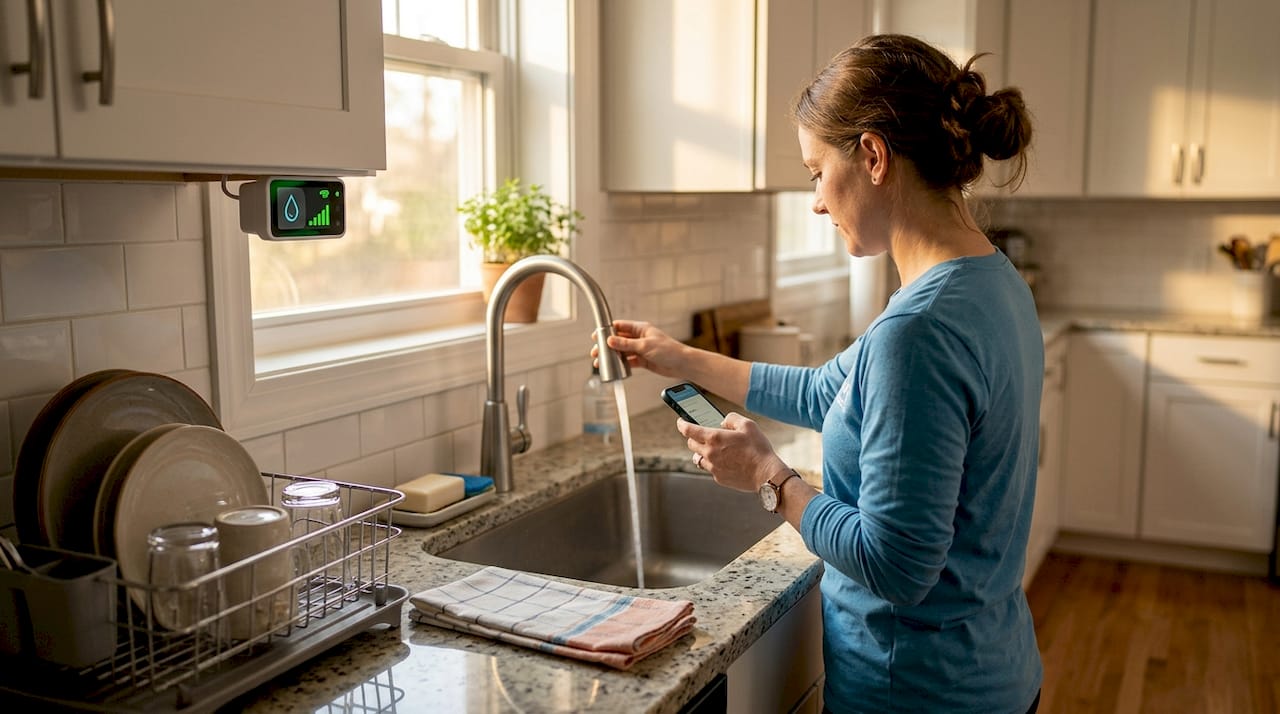
Most homeowners think of plumbing as pipes, valves, and fixtures that either work or don’t. That mindset is costing real money. What is smart plumbing technology? At its core, it’s a network of sensors, connected devices, and automated controls that monitor and manage your home’s water systems in real time. It can detect a hidden leak before your ceiling caves in, cut your water bill without changing your habits, and let you control your home’s water supply from your phone. This guide breaks down how it works, what’s worth buying, and how to start using it.
Table of Contents
- Key Takeaways
- What smart plumbing technology is and how it works
- Benefits of smart plumbing for homeowners and property managers
- Comparing smart plumbing devices available today
- How to implement smart plumbing in your property
- My take on smart plumbing technology
- Upgrade your plumbing with Psvplumbinginc
- FAQ
Key Takeaways
| Point | Details |
|---|---|
| Smart plumbing monitors in real time | Sensors track flow, pressure, and moisture continuously to catch problems before they cause damage. |
| Early leak detection saves money | Automated shutoff valves and alerts prevent expensive water damage and mold remediation costs. |
| Water conservation is measurable | Cities and homeowners see significant bill reductions from monitoring actual usage patterns. |
| Professional installation matters | Pairing smart devices with licensed plumber support ensures correct setup and lasting performance. |
| Start small, expand over time | You don’t need a full system overhaul to benefit; single devices can deliver immediate value. |
What smart plumbing technology is and how it works
Smart plumbing technology refers to internet-connected devices and systems that monitor, control, and respond to water usage and plumbing conditions throughout your property. Unlike traditional plumbing that operates passively until something breaks, smart plumbing systems generate data, send alerts, and in some cases take automatic action to protect your home.
The foundation of any smart plumbing system is sensors. These small devices measure water flow rate, pressure levels, temperature, and moisture. They sit inside pipes, near appliances, or beneath fixtures. When readings fall outside normal ranges, the system flags the anomaly instantly rather than waiting for you to notice a wet spot or a high water bill.

Connectivity is the second core element. Most smart plumbing devices use WiFi, Bluetooth, or a dedicated hub to send data to a smartphone app or a central smart home platform. This means you can check your water usage, receive leak alerts, or shut off your main water supply from anywhere in the world. Smart home plumbing systems monitor water flow, pressure, and moisture in real time, giving you a live picture of what’s happening behind your walls.
Here is a breakdown of the main device types that make up a smart plumbing system:
- Smart water meters track total household water consumption in real time and flag spikes that suggest a leak or inefficient fixture
- Leak detection sensors place small contact points near water heaters, under sinks, and around toilets to detect standing moisture before visible damage occurs
- Automatic shutoff valves connect to your main supply line and close instantly when abnormal flow is detected, stopping water flow before damage spreads
- Smart faucets and fixtures regulate water temperature and flow on demand, reducing waste and improving energy efficiency
- Tankless smart water heaters heat water only when needed, eliminating the standby energy loss that traditional tank units produce all day
- Smart irrigation controllers adjust outdoor watering schedules based on local weather data, so your lawn doesn’t get watered during a rainstorm
All these devices work together or independently depending on your setup. You can start with one leak sensor under a sink or deploy a whole-home system. The technology scales to your needs and budget.
Benefits of smart plumbing for homeowners and property managers
The case for upgrading to smart plumbing solutions is not theoretical. The advantages show up in your utility bills, your repair history, and your peace of mind.
Water savings that are actually measurable. Austin, Texas installed 267,000 smart meters since 2020 and saved over 1.2 billion gallons of water through leak detection and targeted repairs. That’s a city-scale example, but the same principle applies to a single-family home. A continuously running toilet or a slow pipe leak can waste tens of thousands of gallons per year without triggering any visible sign. Smart meters catch these issues within hours, not months.
Protecting your property from water damage. Water damage is one of the most expensive home repairs you can face. Smart leak detection systems alert homeowners before visible damage occurs, giving you time to respond before drywall, flooring, and structural components are affected. When paired with an automatic shutoff valve, the system can stop the water source entirely while you’re at work or on vacation.

Lower utility bills with minimal effort. Smart irrigation controllers reduce outdoor water waste by scheduling irrigation around actual weather conditions. Tankless water heaters eliminate standby energy loss by heating water only when a tap is opened. These savings compound over time and often offset the installation cost within a few years.
Remote access and control. Property managers overseeing multiple units can monitor water consumption across all buildings from a single app. If water usage spikes in an unoccupied unit at 2 a.m., you know about it immediately. That kind of visibility was not possible with traditional plumbing.
Property value. Buyers and renters increasingly expect smart home features. Smart plumbing upgrades can be a legitimate selling point, particularly when you can demonstrate lower average utility costs or show a clean record of energy-saving improvements.
Pro Tip: If you’re managing rental properties, start with automatic shutoff valves on the main supply line. A single prevented flood event can cover the cost of the entire system installed across all your units.
Comparing smart plumbing devices available today
Understanding your options helps you choose the right devices for your situation. Here’s a practical comparison of the most common smart plumbing solutions on the market.
| Device | Key benefit | Typical cost | Installation complexity |
|---|---|---|---|
| Smart water meter | Tracks total usage, detects usage spikes | $100 to $300 | Moderate; may need a plumber |
| Leak detection sensor | Detects moisture at specific locations | $20 to $80 per sensor | Low; DIY friendly |
| Automatic shutoff valve | Cuts water supply when leak is detected | $150 to $500 | Moderate to high; requires pipe access |
| Smart faucet or fixture | Controls flow and temperature precisely | $100 to $400 | Low to moderate |
| Tankless smart water heater | Heats on demand, reduces energy use | $500 to $2,000+ | High; requires licensed installation |
| Smart irrigation controller | Adjusts outdoor watering by weather | $80 to $250 | Low to moderate |
Leak detection sensors are the easiest starting point. They require no plumbing work and provide immediate value in high-risk areas like laundry rooms, under kitchen sinks, and near water heaters. Automatic shutoff valves require access to your main supply line and are best installed by a licensed plumber during a planned visit rather than as a rushed emergency fix.
Tankless water heaters represent the largest upfront investment but deliver long-term energy savings and unlimited hot water. If your current tank unit is approaching the end of its lifespan, the upgrade to a smart tankless model makes clear financial sense. You can explore your water heater options to understand which setup fits your household’s usage.
One compatibility point to keep in mind: many outdoor smart plumbing devices, including smart hose timers, operate on 2.4 GHz WiFi and will not connect to a 5 GHz-only network. If your home router only broadcasts on 5 GHz, you may need a hub or bridge device to make those connections work.
How to implement smart plumbing in your property
Getting started with advanced plumbing technology doesn’t require tearing out your existing system. A phased approach works well for most homeowners and property managers.
-
Assess your current plumbing condition. Before adding any smart device, you need to know the state of your pipes, fixtures, and water heater. Old corroded pipes or loose connections will undermine any sensor’s effectiveness. A professional plumbing inspection is the right first step, and you can use a plumbing maintenance checklist to organize this process.
-
Identify your highest-risk areas. Where have you had leaks before? Where are your most water-intensive appliances? Prioritize those locations for your first sensors and monitoring devices.
-
Choose devices that match your connectivity setup. Check whether your home WiFi broadcasts on 2.4 GHz, 5 GHz, or both. Most smart plumbing devices expect a 2.4 GHz signal. If yours doesn’t, plan for a hub or a router upgrade before purchasing devices.
-
Work with a licensed plumber for key installations. Automatic shutoff valves, tankless water heaters, and whole-home flow meters all require physical modifications to your plumbing system. These are not DIY projects. Professional plumber support reduces installation errors and protects your warranty on smart devices.
-
Combine smart monitoring with regular maintenance. Routine maintenance combined with smart monitoring leads to the best long-term outcomes. Sensors don’t replace physical inspections; they extend the value of those inspections by giving you data between visits.
-
Plan your budget around return on investment. Start with low-cost sensors, measure what they tell you, and use that data to justify larger investments like shutoff valves or a new water heater. Most homeowners see a clear financial return within two to four years.
Pro Tip: Ask your plumber to document your pipe layout during installation. When you add a new smart device later, knowing exactly where your supply lines run saves both time and money.
My take on smart plumbing technology
I’ve seen a lot of homeowners approach smart plumbing with the same skepticism they’d bring to a gadget they don’t need. That’s a mistake, but I understand where it comes from. The plumbing industry doesn’t always do a good job explaining why this technology matters in practical terms.
What I’ve learned from working with real properties is this: the value of smart plumbing isn’t about having a futuristic home. It’s about catching the problems you would have missed until they cost you thousands. A slow leak behind a wall isn’t dramatic. It just quietly soaks into your subfloor for six months until you notice a soft spot or a musty smell. A $40 moisture sensor would have flagged it in the first week.
The adoption of smart plumbing technologies is rising because homeowners are starting to connect the dots between early detection and actual dollars saved. That trend is only going to accelerate as devices get cheaper and integration with broader smart home ecosystems gets easier.
My honest recommendation: don’t wait for a flood to motivate the upgrade. Start with sensors in the spots where you already know water likes to go. Build from there. The technology rewards the homeowners who treat plumbing as something to manage proactively rather than reactively.
— Serghei
Upgrade your plumbing with Psvplumbinginc

At Psvplumbinginc, we help homeowners and property managers make smart plumbing technology work in the real world, not just on paper. Our licensed and insured team handles everything from smart device installation to full system upgrades, so you get the benefits of advanced plumbing technology without the guesswork. Whether you’re starting with a leak sensor or upgrading to a whole-home monitoring system, we bring the experience to do it right. Explore our smart plumbing upgrades guide to see what’s possible, or check our water heater maintenance tips to get more from your existing system. Contact us today for a free quote.
FAQ
What is smart plumbing technology?
Smart plumbing technology is a system of internet-connected sensors, meters, valves, and fixtures that monitor your home’s water usage and respond automatically to leaks, pressure changes, or unusual flow patterns. It gives homeowners real-time data and remote control over their plumbing.
How does smart plumbing work?
Smart plumbing devices use sensors to measure water flow, pressure, and moisture, then transmit that data through WiFi or a hub to a smartphone app. When the system detects an anomaly, it sends an alert and, with devices like shutoff valves, can stop the water supply automatically.
What are the main benefits of smart plumbing?
The main benefits include early leak detection before visible damage occurs, measurable water conservation, lower utility bills, remote monitoring for property managers, and automatic shutoff protection during plumbing emergencies.
Can I install smart plumbing devices myself?
Basic leak sensors are DIY-friendly and require no plumbing work. However, devices that require pipe access, such as automatic shutoff valves and tankless water heaters, should be installed by a licensed plumber to avoid installation errors and protect product warranties.
How much does smart plumbing technology cost?
Costs range from around $20 for a single leak detection sensor to over $2,000 for a tankless smart water heater. Most homeowners can start a functional smart plumbing system for under $500, with larger investments justified by the water savings and damage prevention they deliver over time.
Leave a Reply