TL;DR:
- During a plumbing emergency, quickly shutting off the main water supply is essential to prevent extensive damage. It is crucial to turn off electricity and gas before attempting repairs and to document all damage for insurance purposes. Preparation, such as knowing shutoff locations and having an emergency kit, significantly reduces risks and damage severity.
A burst pipe at 2 a.m. A toilet that won’t stop overflowing. A leak spreading across your kitchen floor while you stand there unsure what to do first. These situations happen fast, and without knowing the right emergency plumbing procedures, a minor incident can turn into thousands of dollars in damage within minutes. This guide walks you through exactly what to do, in order, so you can stop the damage, stay safe, and get the right help quickly. Whether you own your home or rent it, this is what you need to know before panic sets in.
Table of Contents
- Key Takeaways
- Emergency plumbing procedures: what to prepare before disaster strikes
- Step-by-step procedures to stop damage fast
- Common mistakes and troubleshooting during a plumbing crisis
- After the emergency: verifying safety and next steps
- When to call PSV Plumbing for expert support
- FAQ
Key Takeaways
| Point | Details |
|---|---|
| Shut off water immediately | Stopping water at the main valve is the single most effective first action in any plumbing crisis. |
| Safety comes before repairs | Turn off electricity near flooded areas and evacuate if you smell gas before touching any plumbing. |
| Prepare your emergency kit | Keep a bucket, plunger, adjustable wrench, and duct tape accessible so you can contain damage fast. |
| Document everything | Photograph all damage before cleanup to support insurance claims and speed up reimbursements. |
| Call a licensed plumber early | Professional response typically takes 30 minutes to 2 hours, so make the call sooner rather than later. |
Emergency plumbing procedures: what to prepare before disaster strikes
Most homeowners only think about their plumbing when something goes wrong. That reactive mindset costs real money. Knowing where your shutoff valves are located and having a few basic tools ready can be the difference between a manageable situation and a flooded basement.
Tools and supplies to have on hand
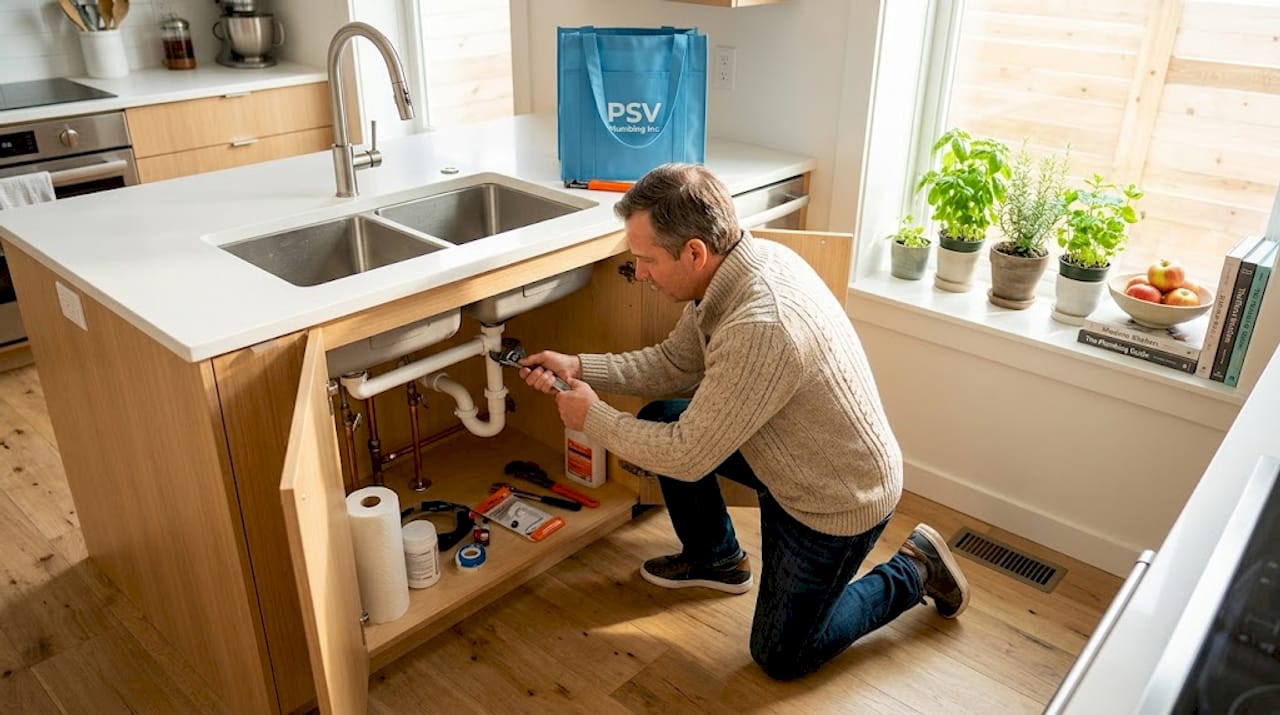
Essential tools like a bucket, a plunger, duct tape, and an adjustable wrench can contain damage before a licensed plumber arrives. Keep these items in an accessible spot, not buried in a garage cabinet. Add a wet/dry vacuum if you can, because removing standing water fast protects your floors, walls, and anything stored nearby.
Here is what your emergency plumbing kit should include:
- Bucket and mop for catching and removing water
- Adjustable wrench to tighten fittings temporarily
- Duct tape or pipe wrap tape for sealing minor leaks short term
- Plunger (both a flat and flange style) for toilet and drain blockages
- Wet/dry vacuum to extract standing water
- Flashlight for checking dark utility spaces
- Pipe sealant putty for quick temporary patches
How to find and operate your shutoff valves
Your main water shutoff valve is typically located near the front of your home, close to where the main water line enters the foundation. In apartments, check under the kitchen sink or near your water heater. Turn the valve clockwise to shut off water flow. Do this now, before any emergency happens. Knowing that location cold, without having to search, saves critical minutes when a pipe bursts.

If your home uses gas, find the gas shutoff valve at the meter outside. You will need a wrench to turn it. Write both locations down and post them somewhere visible, like inside a kitchen cabinet door.
A quick plumbing emergency checklist you can prepare today
| Preparation task | Status |
|---|---|
| Locate main water shutoff valve | ☐ Done |
| Locate gas shutoff valve | ☐ Done |
| Assemble emergency plumbing kit | ☐ Done |
| Save licensed plumber contact number | ☐ Done |
| Schedule annual plumbing inspection | ☐ Done |
Pro Tip: A bathroom plumbing inspection once a year catches developing leaks, corrosion, and loose fittings before they become emergencies. It is one of the lowest-cost prevention steps a homeowner can take.
Step-by-step procedures to stop damage fast
When a plumbing emergency hits, clarity matters more than speed. Moving fast in the wrong direction makes things worse. Follow these steps in order.

Step 1: Shut off the main water supply
Shutting off the main water valve stops water that can pour at hundreds of gallons per hour. Do this first, every time. Do not try to assess the damage while water is still flowing. Go straight to the valve.
Step 2: Turn off electricity near the affected area
Water and electricity together create the most dangerous combination in any home emergency. If flooding is near outlets, appliances, or your electrical panel, shut off the relevant circuit breakers before you step into the water. If you are unsure which circuits control that area, shut off the main breaker. Your safety is the priority, not salvaging property.
Step 3: Turn off your water heater
Turning off the water heater during a major plumbing emergency prevents overheating, tank damage, and potential gas hazards. For electric heaters, flip the breaker. For gas heaters, turn the dial to “pilot” mode. This step gets skipped often, and it leads to expensive secondary damage.
Step 4: Open faucets to drain the pipes
Opening faucets after the main shutoff drains residual water still sitting in your pipes. Start with the faucets closest to the damaged area. This relieves pressure inside the lines and reduces the chance of additional bursts or leaks while you wait for a plumber.
Step 5: Remove standing water and protect valuables
Use towels, mops, or your wet/dry vacuum to pull water off the floor as fast as possible. Move furniture, rugs, and electronics to dry areas. Water spreads fast under flooring and behind walls. Hidden water damage grows rapidly before it becomes visible, making early water removal the most direct way to limit structural harm.
Step 6: Document all damage before cleanup
Take clear photos and video of every affected area before you move anything or begin cleanup. Capture timestamps if your phone allows it. Good photographic documentation speeds up insurance reimbursement significantly. Insurers need evidence of the damage as it occurred, not after you have already dried and repaired.
Step 7: Call a licensed emergency plumber
Once water flow is stopped and your space is safe, call a licensed plumber. Emergency plumber response times typically range from 30 minutes to 2 hours depending on your location and time of day. When you call, provide the following details clearly:
- The type of emergency (burst pipe, overflowing toilet, sewage backup)
- Where the water shutoff is located in your home
- Whether gas or electrical systems are involved
- The approximate volume of water involved
- Your address and best contact number
“If you smell gas or suspect electrical hazards, evacuate immediately and call emergency services before attempting any plumbing action. No repair is worth your life.” Source: PlumberArchive
Pro Tip: Keep your plumber’s number saved under “Emergency Plumber” in your contacts right now. Searching during a crisis wastes minutes you do not have.
Common mistakes and troubleshooting during a plumbing crisis
Even people who know the right steps can run into problems when they are stressed and working fast. Here are the most common obstacles and how to handle them.
When the shutoff valve is stuck or inaccessible
Old shutoff valves seize up from years of disuse. If yours will not budge, do not force it with excessive torque. You can wrap the handle with a cloth and apply gentle, steady pressure. If it still will not turn, call the water company. They can shut off water at the street-level meter. This is also a good reason to test your shutoff valve every six months so you know it works before you need it.
Here are additional troubleshooting scenarios to know:
- Water continues after shutoff: The valve may not be fully seated. Locate a secondary shutoff under the sink or behind the toilet for localized control.
- You cannot identify the source of the leak: Check ceilings below bathrooms, under sinks, around the base of toilets, and along exposed pipe runs in your basement or utility room.
- Electrical hazards are unclear: If water is anywhere near outlets or your panel, treat the area as live until a licensed electrician confirms it is safe.
- Sewage is involved: Do not attempt cleanup without protective gloves and a mask. Sewage water carries serious health risks. Contact a professional restoration service.
Pro Tip: Visiting a plumbing emergency guide before you face a crisis gives you faster recall under pressure. Familiarity with these steps means you react, not freeze.
When a repair feels beyond your skill level or the situation involves gas, sewage, or major structural flooding, stop. DIY intervention on complex plumbing emergencies frequently makes repairs more expensive, not less. Calling a licensed plumber early limits the total damage and cost.
After the emergency: verifying safety and next steps
Once the immediate crisis is contained, your work is not finished. The hours and days after a plumbing emergency determine how well your home recovers.
Verify your plumbing system is functioning correctly:
- Confirm all shutoff valves are fully reopened after repairs are complete
- Run water at multiple fixtures to check for pressure and visible leaks
- Inspect under sinks and around appliances for any remaining moisture
Handle your insurance claim:
- Submit photos and videos to your insurer as soon as possible
- Request written repair estimates from your licensed plumber
- Ask your insurer specifically about water damage and mold coverage
Schedule a follow-up inspection:
Water damage often hides inside walls and under flooring. A comprehensive plumbing inspection after an emergency catches secondary issues before they develop into a second crisis. This is particularly true for older homes where one stressed pipe often signals others are at risk.
Reduce future risk with regular maintenance:
- Check supply lines under sinks twice a year for bulging or discoloration
- Flush your water heater annually to prevent sediment buildup
- Follow a residential plumbing checklist to stay ahead of wear and developing problems
- Know the age of your pipes. Galvanized steel and older copper lines have a service life, and knowing when yours were last replaced gives you a realistic sense of risk
A clear emergency checklist prepared ahead of time reduces panic and maximizes efficiency when a real crisis occurs. That preparation does not stop at the emergency itself. It extends into how you recover and protect your home going forward.
When to call PSV Plumbing for expert support

If you have just handled a plumbing crisis and want a professional to verify your system is fully safe, or if you want to get ahead of the next one, start with our complete plumbing maintenance checklist. For water heater concerns, our water heater maintenance guide walks you through what to check and when to call a professional. Reach out to PSV Plumbing today for a free quote and let us help you protect your home before the next emergency.
FAQ
What is the first step in a plumbing emergency?
Shut off the main water supply valve immediately. This stops ongoing water flow that can pour at hundreds of gallons per hour and limits structural damage to your home.
Is a slow water leak considered a plumbing emergency?
Yes. Water leaks spread rapidly behind walls and under floors, causing mold and structural damage within 24 to 48 hours. Contact a licensed plumber as soon as you identify the source.
Can I fix a burst pipe myself?
Temporary measures like pipe wrap tape or sealant putty can slow a small leak short term, but a burst pipe requires professional repair. DIY fixes on major breaks often worsen the damage and increase repair costs.
How do I know when to shut off electricity during a plumbing emergency?
Turn off the relevant circuit breakers any time water is near electrical outlets, appliances, or your electrical panel. If you are unsure which circuits are involved, shut off the main breaker before entering the flooded area.
How long does an emergency plumber take to arrive?
Emergency plumber response times typically range from 30 minutes to 2 hours depending on location and time of day. Call as soon as water flow is stopped and the area is safe, not after you have attempted repairs.
Leave a Reply