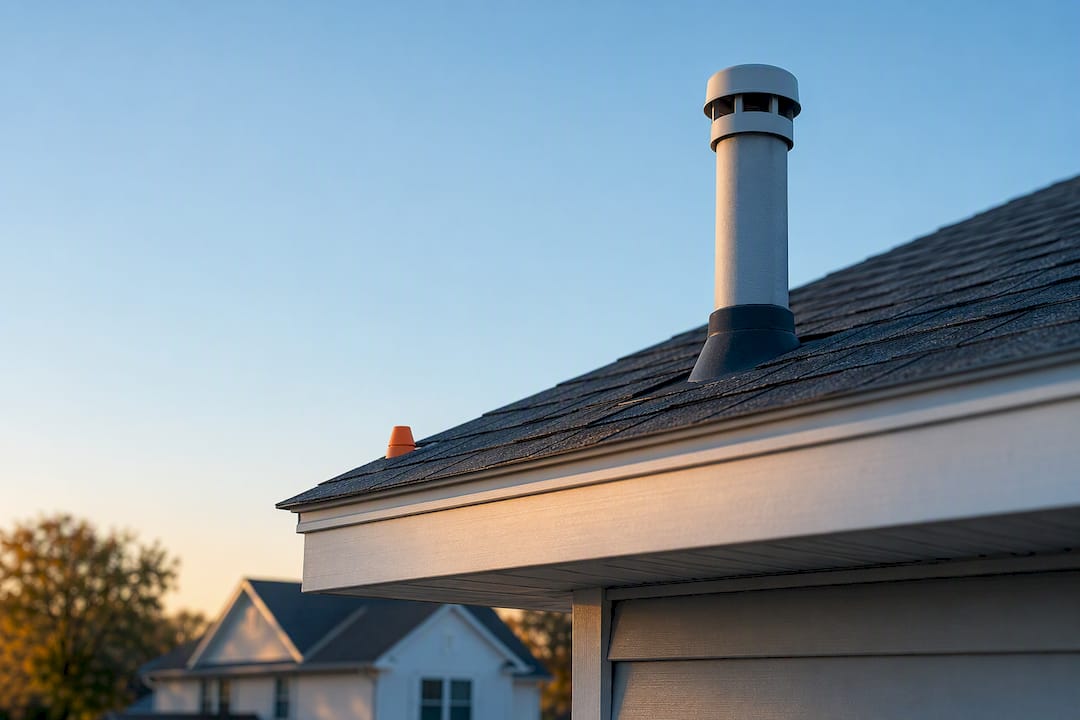
If drains gurgle at multiple fixtures, water drains slowly in more than one spot, sewer odors show up indoors, and the toilet bowl bubbles or drains oddly, a clogged plumbing vent is a strong suspect. The single most reliable clue is the cross-fixture pattern: when using one fixture affects another. That pattern deserves a closer look and often a call to a licensed plumber.
TL;DR:
- When multiple fixtures gurgle or drain slowly together, a blocked vent is more likely than a local clog or sewer backup, especially if air reacts between fixtures.
- Symptoms like indoor sewer odors and bubbling toilets often indicate vent obstructions caused by debris, nests, or ice, which require roof access and professional clearing.
- Running one fixture and observing reactions in others helps distinguish vent issues from localized drain blockages, but roof inspections are unsafe for homeowners.
- Costs vary depending on roof access and whether a camera inspection or drain jetting is needed, with preventive checks recommended twice a year.
- Do not pour chemicals or water into the roof vent, and always call a licensed plumber for persistent odors, backed-up wastewater, or if symptoms reappear after DIY fixes.
Table of Contents
- Detailed symptoms: what you will hear, see, and sense
- How to tell a clogged vent from a clogged drain or a sewer-line backup
- Common causes of vent obstruction
- Safe homeowner checks and what you should and should not do
- When to call a licensed plumber and what to expect
- Prevention and routine maintenance to keep vents clear
- A plumber’s perspective on vent symptoms and safe diagnosis
- How PSV Plumbing can help with vent inspection and repair
- Sources
- FAQ
Detailed symptoms: what you will hear, see, and sense
A clogged vent shows up first as sound. Gurgling often starts in one fixture right after another one drains, like a toilet gurgling when the kitchen sink empties. That timing matters because it means air is struggling to move through the pipe system the way it should.

Slow drainage tells a similar story. A single slow sink usually points to a local clog, but when two or three fixtures drain slowly at the same time, air pressure in the vent system is the more likely culprit. Sewer odors indoors are another sign, though they are not proof on their own: a dry trap (common in a rarely used floor drain) or a failed cleanout seal can produce the same smell without any vent involvement.
Toilets often show the clearest symptoms:
- A weak or incomplete flush that does not fully clear the bowl.
- Water level in the bowl that rises or drops between uses without explanation.
- Bubbling in the bowl when a nearby sink, tub, or washing machine drains.
Plumbing vents equalize air pressure so wastewater can flow and trap seals stay intact, according to New York State’s plumbing code outreach program. When a vent is blocked, that pressure balance breaks down, and the drain system starts pulling air from wherever it can, including through fixture traps.
How to tell a clogged vent from a clogged drain or a sewer-line backup
The best diagnostic test is simple: run one fixture and watch what happens elsewhere. If flushing the toilet makes the bathtub gurgle, or running the washing machine causes the kitchen sink to bubble, the problem likely sits in a shared vent rather than in one drain line. An isolated slow drain, with no reaction anywhere else, usually points to a localized clog instead.
Try this sequence at home:
- Run water in one fixture and note whether any other fixture reacts.
- Flush the toilet and listen for gurgling in nearby sinks or tubs.
- Check the lowest fixtures in the home (basement floor drain, laundry tub) for slow drainage or standing water.
- Note the time, fixtures involved, and what triggered the reaction.
Pro Tip: Write down exactly which fixture reacts and when, since that detail helps a plumber skip straight to the likely cause instead of retesting everything.
Standing wastewater at the lowest fixtures, or sewage backing up instead of draining, points to a sewer-line problem rather than a vent issue, and it needs immediate professional attention. Vent obstruction and sewer backups can share symptoms like odor and slow drainage, which is why a plumber’s camera inspection is sometimes the only way to confirm the source.
Common causes of vent obstruction
Plumbing vents run through the roof, which exposes them to the outdoors in ways indoor pipes never face. Most obstructions come from ordinary weather and wildlife rather than anything unusual.
- Leaves, twigs, and roofing debris settle into the open vent pipe over time.
- Birds and small animals build nests near the warm, sheltered vent opening, and some do not survive the encounter.
- Ice and snow accumulate in the vent opening during cold months, sealing it shut.
- A missing or damaged vent cap, or flashing that has pulled away from the roof, lets debris and water in.
Less often, a section of pipe higher in the stack cracks, shifts, or collapses, which requires a more involved repair than clearing debris from the top.
Safe homeowner checks and what you should and should not do
Before calling anyone, a few safe indoor checks can help confirm what you are dealing with and give a plumber a head start.
- Pour a cup of water into any drain that is rarely used, since a dry trap can mimic a vent problem.
- Run each fixture separately, then in combination, and listen for gurgling or watch for bubbling.
- Write down which fixtures react, in what order, and how strong the reaction is.
- Take photos or a short video of any bubbling, slow drainage, or standing water.
Pro Tip: A simple symptom log, even three or four lines listing fixture, time, and what happened, saves real time during a service call.
Do not climb onto a wet, steep, or otherwise unsafe roof to look at the vent yourself. Do not pour chemical drain cleaners down a roof vent, since they are not designed for that use and can create fumes in an enclosed space. If sewer odor is strong or paired with headaches, nausea, or dizziness, leave the area, open windows if you can do so safely, and call for help right away.
When to call a licensed plumber and what to expect
Some situations call for a professional right away rather than more home testing.
- Wastewater backing up instead of draining, at any fixture.
- Sewer odor that persists after checking traps, especially with health symptoms.
- Symptoms that return shortly after you clear a drain yourself.
- Any vent problem that would require roof access to inspect.
A plumber typically starts with a camera inspection of the drain and vent lines, checks the roof vent opening and cap, and may run a smoke or dye test to trace where air or water is escaping. Fixes range from clearing debris or a nest from the vent opening, to repairing a vent cap or flashing, to hydro-jetting a related drain line if buildup contributed to the problem. Cost depends mostly on roof access, whether a camera inspection is needed, and whether the issue extends into the sewer line.
Prevention and routine maintenance to keep vents clear
Most vent clogs are preventable with a bit of seasonal attention.
- Check the roof vent opening once or twice a year for leaves, nests, or debris.
- Install or inspect a vent cap and flashing to keep animals and water out.
- Trim tree branches that overhang the roof near the vent stack.
- Schedule a professional inspection if gurgling or slow drainage keeps coming back.
Pro Tip: Pair a vent check with your gutter cleaning schedule, since you are already dealing with roof debris at the same time.
Good plumbing ventilation protects more than drainage speed. It keeps sewer gas out of the home and protects the trap seals that make that possible.
A plumber’s perspective on vent symptoms and safe diagnosis
The checks in this guide are meant to help you describe the problem accurately, not to replace a licensed diagnosis. Vent and sewer symptoms overlap enough that guessing can send you toward the wrong fix. At PSV Plumbing, our technicians pair camera inspection with vent-clearing, hydro-jetting, and cap or flashing repair, so the fix matches the actual cause. Document what you notice, stay off the roof, and let a professional confirm the source.
— Serghei
How PSV Plumbing can help with vent inspection and repair
A clogged vent rarely needs guesswork once someone can see inside the line. PSV Plumbing offers vent inspection, vent clearing, hydro-jetting, and vent-cap or flashing repair for homes dealing with gurgling drains, slow fixtures, or sewer odor.

Before you call, have a short symptom log ready: which fixtures react, when, and any photos or video you captured. Reach out through our drain cleaning page to book an inspection or request a free quote.
Sources
For the code language behind vent function and sizing, see the plumbing vents outreach program, plus federal drainage system and venting standards for manufactured homes.
- Plumbing Vents — New York State Division of Building Standards and Codes (Code Outreach Program)
FAQ
How do you unclog a plumbing vent?
Unclogging a vent usually means clearing debris, a nest, or ice from the roof opening, which is why it is best left to a professional with the right safety equipment. A plumber may also use a camera to check for a blockage or collapse further down the stack before recommending a fix.
How much does it cost to unclog a plumbing vent?
Cost depends on how hard the vent is to access, whether a camera inspection is needed, and whether the problem extends into the sewer line. A licensed plumber can give you an exact figure after a brief inspection.
Will a toilet flush if the vent is clogged?
A toilet may still flush with a clogged vent, but the flush is often weak, and the bowl may bubble or the water level may shift oddly. A blocked vent disrupts the air pressure that drainage depends on, according to New York State’s plumbing code outreach, which is why flushing feels different even when water still moves.
Can you pour water down a vent pipe?
Pouring water down a roof vent is not a recommended fix and is not a safe activity to attempt from an unsecured roof. Pouring a small amount of water into an indoor drain trap, by contrast, is a useful diagnostic step for ruling out a dry trap as the odor source.
What is the safest first step if I smell sewer gas indoors?
Leave the area, open windows if you can do so safely, and avoid using any nearby drains until you know the cause. If the odor persists or comes with headaches or nausea, call a licensed plumber right away rather than investigating further yourself.
Leave a Reply