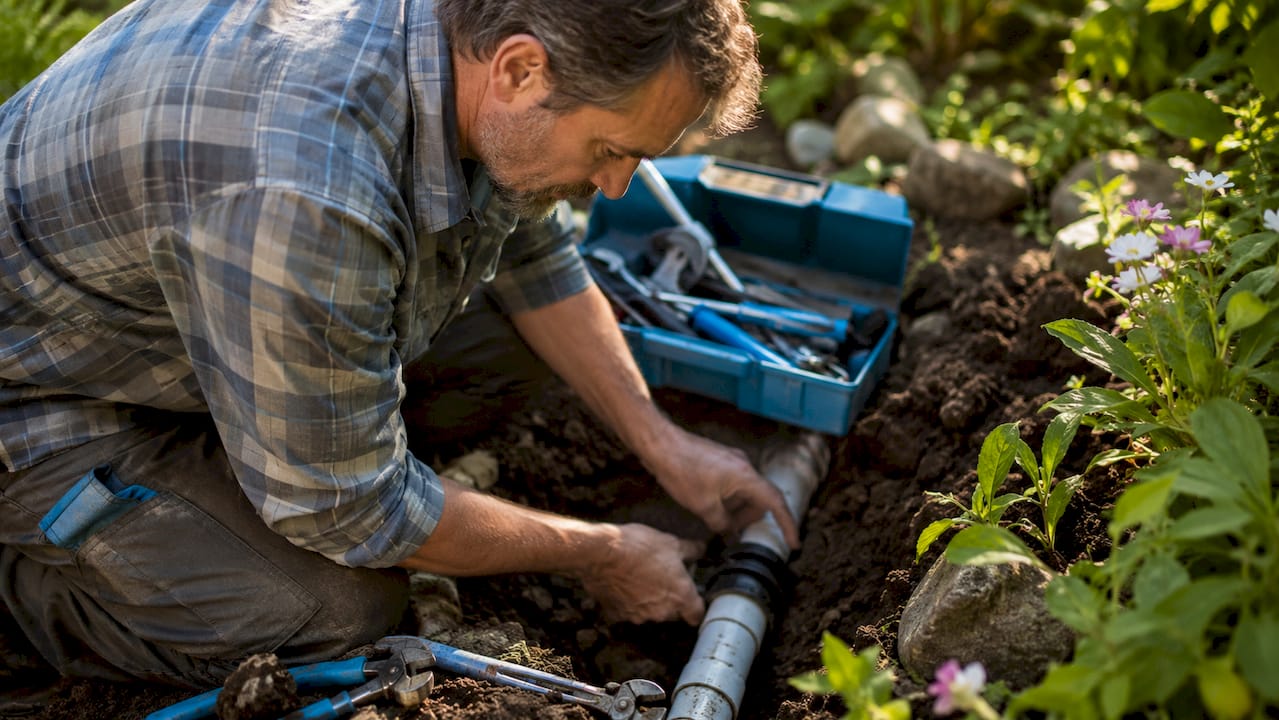
TL;DR:
- Drainage system failures are primarily caused by physical blockages from sediment, roots, and outlet debris that worsen over time. Improper installation, especially insufficient slope and unstable bedding, leads to long-term damage and collapse, often going unnoticed until years later. Regular maintenance, proper material choices, and verified installation are essential to prevent costly drainage problems.
Drainage system failure is defined as the breakdown of a pipe or channel network’s ability to move water away from a property efficiently, resulting in backups, flooding, or structural damage. Understanding why drainage systems fail gives you the power to catch problems early and avoid repairs that can run into thousands of dollars. The most common causes of drainage failure include pipe clogging, root intrusion, improper slope, and structural deterioration. Systems like French drains, corrugated black pipe networks, and municipal sewer connections each carry specific vulnerabilities that homeowners and property managers can learn to recognize and address.
Why drainage systems fail: the core physical causes
The physical causes of drainage failure are the most direct and the most preventable. Sediment, grease, hair, and household waste accumulate inside pipes over time, narrowing the flow path until water backs up entirely. Tree roots are equally destructive. They seek out moisture and infiltrate pipe joints, growing inside the pipe until they cause a full blockage or crack the pipe wall.

Pipe deterioration is another major factor. Older pipes made from clay, cast iron, or black corrugated plastic develop cracks, joint separation, and eventual collapse under normal soil pressure. Black corrugated pipes, commonly used in residential drainage since the 1980s, are especially vulnerable. Their ribbed design traps sediment, and the plastic degrades faster than PVC or concrete alternatives, making them a frequent source of common drainage problems.
Outlet blockages are a less obvious but equally serious problem. When the discharge point of a drain is covered by debris, overgrown vegetation, or eroded soil, water has nowhere to exit. The entire system backs up, even if the pipes themselves are in good condition. Drainage failure is cumulative: small inefficiencies like sediment buildup trigger progressive structural stress, root intrusion, and eventual collapse.
Blocked or absent vent pipes create a separate but related problem. Negative pressure from vent issues siphons water from drain traps, allowing sewer gases indoors. If you notice a faint sulfur smell near a drain, that odor is a warning sign of a venting failure, not just a dirty pipe.
- Sediment and grease buildup: Accumulates gradually, reducing pipe diameter and flow rate
- Root intrusion: Enters through joints and cracks, causing blockages and pipe fractures
- Pipe deterioration: Cracks, joint separation, and collapse in aging clay, cast iron, or corrugated plastic pipes
- Outlet blockages: Debris or vegetation at discharge points stops water from exiting the system
- Vent pipe failures: Blocked vents create negative pressure, pulling water from traps and letting sewer gas in
Pro Tip: If a drain runs slowly after cleaning, the problem is likely structural, not just a surface clog. Slow drainage that returns within days of clearing is one of the earliest warning signs of root intrusion or pipe damage.
How does improper installation cause long-term drainage failure?

Installation errors are the leading cause of long-term drainage system issues, and they are almost always invisible until years of normal use expose them. The most critical installation requirement for any gravity-fed system is slope. French drains require a minimum slope of 1 inch of drop for every 8 feet of pipe. Any deviation from that standard causes water to stagnate inside the pipe, accelerating sediment buildup and root attraction.
Pipe bedding is equally important and equally overlooked. When pipes are laid on unstable or poorly compacted soil, they shift under load. That movement causes joint separation and cracks that are not visible from the surface. Most long-term drainage failures stem from installation errors like improper pipe bedding and incorrect gravity slope, leading to pipe settlement and collapse. The damage shows up years later, long after the original installer is gone.
Nearby construction activity adds another layer of risk. Heavy machinery vibrations near existing drain pipes cause joint displacement and cracks without any direct pipe contact. A neighbor’s renovation or a road project two properties away can silently damage your drainage lines. In the UK, Building Regulations require formal approval for construction within 3 meters of public sewers. Similar protections exist in many U.S. municipalities, and checking local codes before any excavation near your property line is a practical step every property manager should take.
Filter fabric failures in French drains also reduce system longevity. When the wrong fabric is used or it degrades, fine soil particles migrate into the gravel layer and eventually into the pipe, causing blockages that are nearly impossible to clear without full excavation.
| Installation Factor | Correct Practice | Incorrect Practice and Its Impact |
|---|---|---|
| Pipe slope | Minimum 1 inch drop per 8 feet | Flat or reversed slope causes standing water and sediment buildup |
| Pipe bedding | Compacted gravel or sand base | Loose or clay soil causes pipe movement and joint cracking |
| Filter fabric | Geotextile rated for soil type | Wrong fabric or no fabric allows soil migration into pipe |
| Pipe sizing | Sized to peak flow volume | Undersized pipe causes overflow during heavy rain |
| Construction proximity | No excavation within local setback rules | Vibration from nearby work causes hidden joint displacement |
Pro Tip: Before hiring any contractor for drainage installation, ask specifically how they calculate pipe slope and what bedding material they use. A contractor who cannot answer both questions clearly is a contractor to avoid.
What environmental and maintenance factors speed up drainage failures?
Environmental factors work slowly but consistently to degrade drainage systems. Tree roots are the most aggressive natural threat. Species like willow, oak, and silver maple produce roots that actively seek water sources and can travel 20 feet or more to reach a pipe joint. Once inside, roots expand with the tree’s growth, eventually cracking the pipe from the inside out.
Sediment and erosion reduce what engineers call hydraulic capacity, which is simply the volume of water a pipe or channel can carry at one time. As sediment accumulates, that capacity drops. During heavy rain events, a partially silted pipe that handled normal flow easily will overflow. Watershed changes, including new paving, construction, or land clearing upstream of your property, increase the volume and speed of water entering your drainage system, putting stress on pipes sized for the original conditions.
Deferred maintenance and unclear ownership responsibility often cause prolonged drainage infrastructure degradation, escalating minor issues to emergencies. This is especially common on properties where drainage crosses boundary lines or connects to shared infrastructure. When no one is clearly responsible for a section of pipe, no one cleans it.
Property owners commonly wait until blockages fully develop before calling for an inspection. By that point, what could have been a $200 cleaning becomes a $5,000 pipe replacement. Regular drain cleaning is the single most cost-effective maintenance action a homeowner can take.
Common maintenance pitfalls and how to fix them:
- Skipping annual inspections: Schedule a camera inspection every 1–2 years for properties with mature trees nearby
- Ignoring slow drains: Treat slow drainage as a structural warning, not a minor inconvenience
- Planting trees near drain lines: Keep large trees at least 10 feet from any known pipe run
- Leaving inlet grates uncleaned: Clear debris from all inlet grates after every major storm
- Assuming shared pipes are someone else’s problem: Confirm maintenance responsibility in writing for any shared drainage infrastructure
How can you prevent drainage system failures before they start?
Prevention starts with knowing what to look for. Early warning signs of drainage problems include slow drainage, faint odors, and damp patches, and they are often ignored until full failure causes expensive repairs. Catching these signs early is the difference between a service call and a major excavation. Checking your signs of pipe damage regularly gives you a clear framework for what to monitor.
Choosing durable materials from the start reduces long-term risk. PVC pipe outperforms corrugated black plastic in both longevity and flow characteristics. For French drains, using a proper geotextile sock around the perforated pipe prevents soil migration without restricting water entry. These material choices cost slightly more upfront but eliminate the most common failure points.
Professional installation with verified slope and bedding is non-negotiable for any new drainage work. Ask your plumber or contractor to document the slope measurements before backfilling. Once the trench is closed, you cannot verify the slope without excavating again.
| Preventive Action | Primary Benefit |
|---|---|
| Annual camera inspection | Detects root intrusion and cracks before they cause failure |
| Inlet and outlet cleaning after storms | Prevents blockages that back up the entire system |
| Replacing corrugated black pipe with PVC | Eliminates the most failure-prone pipe material in residential use |
| Verifying pipe slope before backfill | Confirms gravity flow and prevents standing water |
| Confirming local setback rules before construction | Protects pipes from vibration and excavation damage |
Following preventive plumbing measures consistently costs a fraction of what emergency repairs demand. Municipal infrastructure repairs, such as pump station component upgrades, can cost $12 million to $15 million per project. Residential failures are smaller in scale but follow the same pattern: deferred maintenance always costs more than timely action.
Key takeaways
Drainage systems fail primarily because of preventable physical blockages and installation errors that compound over time without regular maintenance.
| Point | Details |
|---|---|
| Physical blockages are the top cause | Sediment, roots, and outlet debris are the most common reasons drainage systems stop working. |
| Installation slope is critical | French drains and gravity systems need at least 1 inch of drop per 8 feet or water stagnates. |
| Early signs are actionable | Slow drains, odors, and damp patches signal problems you can fix before they become failures. |
| Deferred maintenance multiplies costs | Ignoring minor issues leads to full pipe replacement instead of simple cleaning or repair. |
| Material choice matters | PVC pipe and proper geotextile fabric outlast corrugated plastic and prevent the most common failure points. |
What i’ve learned watching drainage problems get ignored
After years of inspecting drainage systems across residential and commercial properties, the pattern is always the same. Homeowners notice the slow drain, the occasional odor, the damp corner of the yard. They assume it will clear on its own. It never does.
The installations that fail fastest are almost never the result of bad luck. They are the result of a contractor who skipped the slope check, used the wrong bedding material, or planted the discharge point too close to a fence line. These are decisions made in 20 minutes that create problems lasting 10 years.
What I tell every property manager I work with: treat your drainage system the way you treat your roof. You do not wait for water to come through the ceiling before you inspect it. You check it on a schedule, you clear the gutters, and you fix the small things before they become the big things. Drainage is no different.
My practical advice is to walk your property after every significant rain event. Look for standing water that takes more than 4 hours to drain, soft or sunken ground over pipe runs, and any new odors near cleanouts or floor drains. Those observations, logged seasonally, give you a clear picture of whether your system is holding steady or slowly declining. That information is worth more than any single inspection.
— Serghei
Let Psvplumbinginc help you protect your drainage system
When drainage problems go beyond what a garden hose and a plunger can fix, you need a licensed professional who knows exactly where to look and what to do.

Psvplumbinginc provides expert drain cleaning, pipe inspection, and full pipe repair services for homeowners and property managers across residential and commercial properties. Our team follows a clear pipe repair workflow that keeps you informed at every step, from diagnosis to final inspection. We also offer a step-by-step repair process guide built specifically for homeowners who want to understand what is happening with their system before work begins. Contact Psvplumbinginc today for a free quote and stop a small drainage issue before it becomes a costly emergency.
FAQ
What is the most common reason drainage systems fail?
The most common cause is physical blockage from sediment, grease, or root intrusion combined with deferred maintenance. These issues compound over time, reducing flow capacity until the system backs up or collapses.
How do i know if my drainage system is failing?
Slow drainage, recurring odors near floor drains, and damp patches in the yard are the three earliest warning signs. Catching these signs early allows for cleaning or minor repair rather than full pipe replacement.
Can tree roots really destroy a drainage pipe?
Yes. Tree roots enter pipes through small joint gaps and grow inside the pipe, causing cracks and complete blockages. Species like willow and silver maple are especially aggressive and can reach pipes 20 feet or more from the trunk.
How often should i have my drainage system inspected?
A camera inspection every 1–2 years is the standard recommendation for properties with mature trees nearby. Properties without significant tree cover can extend that interval to every 3 years with regular visual checks after storms.
Does pipe slope really matter that much?
Slope is the single most important installation factor for gravity-fed systems. A French drain without the minimum 1 inch of drop per 8 feet of pipe will stagnate, accumulate sediment, and fail within a few years regardless of pipe quality or material.
Leave a Reply