TL;DR:
- Drain snaking is a reliable method for removing localized clogs by physically breaking up or pulling out obstructions from pipes. Different types of drain augers suit various scenarios, with handheld options ideal for sinks and tubs, and motorized tools for deeper, tougher blockages, but proper technique and safety are essential. Regular preventive maintenance and using the right tools help avoid costly repairs, while professional help becomes necessary for complex or persistent issues.
Clogged drains are one of the most common plumbing problems homeowners and property managers face, yet most people don’t know the difference between a quick fix and a real solution. Reaching for a bottle of chemical drain cleaner feels convenient, but it often leaves the underlying problem intact while potentially damaging your pipes over time. Mechanical drain snaking offers a targeted, effective alternative that most homeowners can learn to use confidently. This guide explains exactly what drain snaking is, what tools are available, how to use them safely, and how to prevent clogs from coming back.
Table of Contents
- What is drain snaking?
- Main types of drain snakes and their uses
- How to use a drain snake safely and effectively
- Drain snaking vs. other unclogging methods
- Maintenance tips to prevent future drain clogs
- A professional’s perspective: why mastering the basics of drain snaking beats costly repairs
- Expert plumbing help and resources for every drain need
- Frequently asked questions
Key Takeaways
| Point | Details |
|---|---|
| Drain snaking defined | A flexible tool that physically removes clogs by breaking them up or pulling them out of pipes. |
| Choose the right tool | Different snakes serve sinks, toilets, or main lines—matching type to task prevents damage and maximizes results. |
| Prioritize safe use | Follow step-by-step safety and handling guidelines to avoid harming pipework or injuring yourself. |
| Know your options | Understand when drain snaking works best compared to chemical cleaners or hydro jetting. |
| Prevent future clogs | Adopt simple maintenance habits to keep your drains flowing freely year-round. |
What is drain snaking?
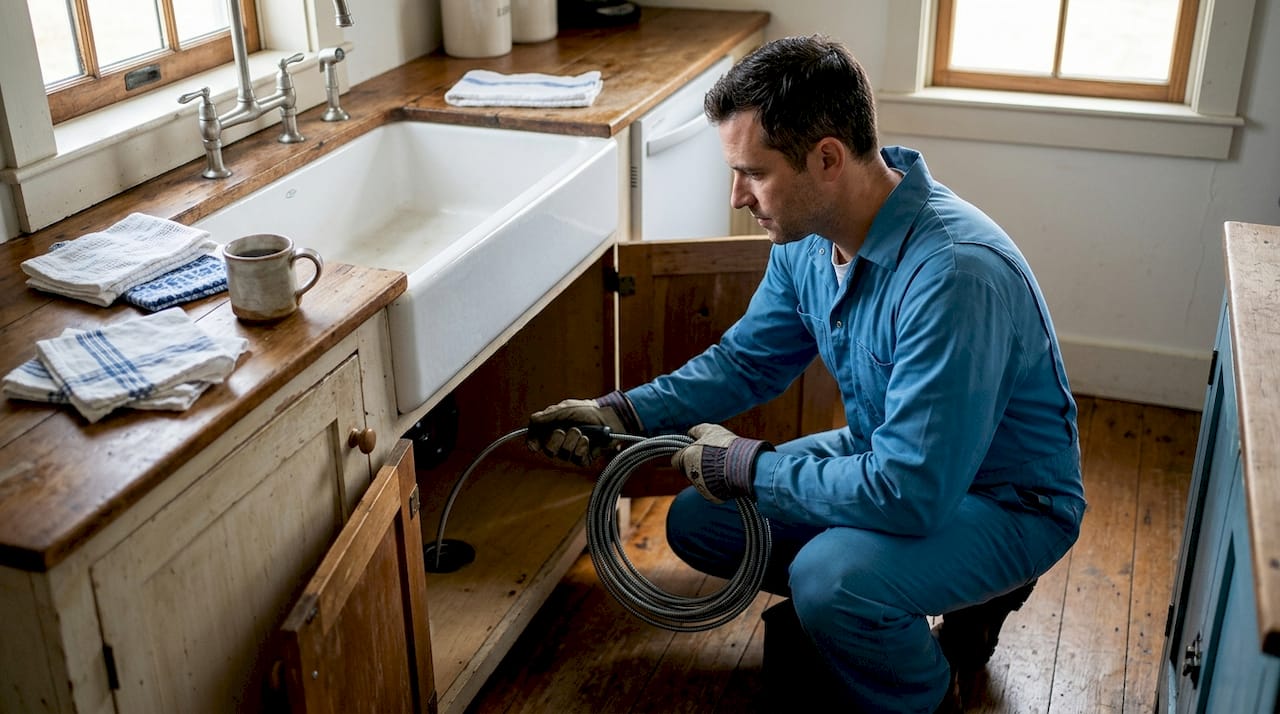
Drain snaking is one of the most reliable methods in residential and commercial plumbing, yet it’s surprisingly misunderstood. The name sounds industrial, but the concept is straightforward: a flexible, coiled metal cable is fed into your drain and rotated to break up or pull out the material causing the blockage.
A drain snake (also called a plumber’s snake or drain auger) is a flexible cable used to dislodge clogs by physically breaking up the obstruction or hooking it for removal from plumbing pipes. You’ll hear all three names used interchangeably by professionals and in hardware stores. The key word is “mechanical.” Unlike chemical solutions that dissolve material, a snake gets in there and physically moves the problem.
Here’s how the process works in plain terms:
- The snake’s cable is inserted into the drain opening.
- You rotate the cable using a handle or motor, which drives the tip deeper into the pipe.
- The rotating tip either punches through the clog, breaks it apart, or hooks into it so you can pull the material out.
- Once the blockage clears, you flush the drain with water to confirm flow is restored.
Drain snaking works best when the problem is a concentrated, localized blockage, like a clump of hair in a shower drain, food grease buildup in a kitchen sink, or a small object caught in a pipe bend. It is not designed to clean the full interior of a pipe the way hydro jetting does.
One reason we recommend exploring drain cleaning methods before choosing a tool is that not every slow drain needs the same solution. Surface-level buildup near the drain cover can often be handled with a drain brush or enzyme cleaner. A snake becomes the right tool when the blockage is deeper, more stubborn, or resists simpler approaches.
Main types of drain snakes and their uses
Now that you know the basics, it’s important to pick the right drain snake for your situation. Using the wrong tool can scratch your pipes, damage a toilet’s porcelain, or simply fail to reach the clog.

Types of drain augers relevant to homeowners include handheld and manual snakes, closet augers for toilets, and larger motorized drum augers capable of tougher work, though with more risk if used incorrectly. Here’s a closer look at each.
| Snake type | Best use | Cable length | Skill level |
|---|---|---|---|
| Handheld/manual snake | Bathroom sinks, tub drains | 15 to 25 feet | Beginner |
| Closet auger | Toilet clogs | 3 to 6 feet | Beginner |
| Motorized drum auger | Kitchen drains, main lines | 25 to 100 feet | Intermediate/Pro |
Handheld snakes are the most accessible option. They’re inexpensive, easy to store, and work well for shallow clogs in sinks and bathtub drains. If you’re a homeowner dealing with a recurring hair clog in the shower, a basic handheld snake is your best starting point.

Closet augers are specifically shaped to navigate the curved trap inside a toilet without scratching the bowl. They’re shorter than standard snakes and have a rubber sleeve to protect the porcelain. Don’t skip this distinction: using a standard cable snake on a toilet can cause visible scratches or, worse, crack the fixture.
Motorized drum augers are more powerful tools that can clear blockages deep in kitchen lines or even tackle main sewer line issues. They come with longer cables and spinning motors that add force. This power is useful, but it also increases the risk of damaging older or fragile pipes if you’re not careful.
Follow this simple three-step guide before you pick up a snake:
- Identify the affected drain. Is it a toilet, sink, tub, or main line?
- Estimate how deep the clog is. If water backs up immediately, the clog is likely close. If drainage is slow, it may be deeper.
- Match the tool to the job. Use a closet auger for toilets, a handheld snake for sinks and tubs, and a motorized auger or call a professional for main line issues.
For a full walkthrough of using each type, check out these DIY drain cleaning steps that walk you through the process in detail.
Pro Tip: Always use a closet auger on toilet clogs. A standard drain snake can scratch the porcelain bowl or get caught in the curved trap and cause damage that costs far more to fix than the original clog.
How to use a drain snake safely and effectively
Understanding the tool is one thing, but using it safely is crucial for your pipes and your peace of mind. Improper technique is the most common reason DIY snaking goes wrong.
Start with the right safety setup. You’ll need:
- Rubber gloves. The cable and whatever it pulls out can carry bacteria and waste material.
- Safety goggles. Debris and dirty water can splash back unexpectedly.
- Old towels or a bucket. Water and grime will come out of the drain during the process.
Once you’re ready, follow these steps:
- Remove the drain cover or stopper to give the snake clear access.
- Feed the cable slowly into the drain by hand, turning the handle clockwise as you go.
- When you feel resistance, continue rotating without forcing the snake forward aggressively.
- If the snake hooks the clog, rotate and slowly pull back to extract the material.
- If the snake breaks through, push and pull a few times to clear any remaining debris.
- Withdraw the cable slowly, wiping it clean with a rag as it comes out.
- Flush with hot water for 30 to 60 seconds to rinse the pipe and confirm the clog is gone.
Drum augers can damage pipework when used without skill, which is why we encourage homeowners to use motorized tools with caution. If you hit strong resistance with a motorized auger and the cable doesn’t advance smoothly, stop and rewind. Forcing it can kink or crack older cast iron or PVC pipes.
If the snake gets stuck, don’t panic. Gently rotate it in reverse while slowly pulling back. Avoid yanking or applying sudden force. If the cable stays stuck after several attempts, it’s time to call a licensed plumber. Trying to force it out yourself risks breaking the cable inside the pipe, which creates a far bigger problem.
Understanding the benefits of regular drain cleaning can also help you decide when to snake preventively, rather than waiting for a full backup. Many homeowners are surprised to learn that running a snake through high-use drains once or twice a year keeps buildup from ever becoming a serious clog.
Adding drain maintenance to your regular home routine is easier when you follow a plumbing maintenance checklist that keeps all your systems on track throughout the year.
Pro Tip: Never force a motorized drum auger when you feel heavy resistance. Always rewind the cable a few inches and try again at a different angle. Forcing the motor against a solid obstruction is the fastest way to damage both your pipes and the tool itself.
Drain snaking vs. other unclogging methods
With safe snaking skills covered, here’s how this method compares to other drain cleaning options you might consider.
A drain snake physically breaks up the obstruction or hooks it for removal, in contrast with chemical dissolution or high-pressure water. Each method has its place, and knowing when to use which approach saves you time and money.
| Method | Best for | Pipe safety | Environmental impact | Cost range |
|---|---|---|---|---|
| Drain snake | Localized, solid clogs | Generally safe | Low | $0 to $75 (DIY tool) |
| Chemical cleaners | Light, surface-level buildup | Risk to older pipes | Higher (caustic) | $5 to $20 per use |
| Hydro jetting | Heavy grease, scale, roots | Safe with professional use | Low | $300 to $600 |
Chemical drain cleaners are fast and inexpensive, but they come with real trade-offs. Most contain sodium hydroxide (lye) or sulfuric acid. These chemicals generate heat as they react, which can soften PVC pipes over time and corrode older metal plumbing. They also don’t work on solid objects, clumps of hair, or grease that has hardened deep in the line.
Hydro jetting is a professional method that blasts water through your pipes at extremely high pressure, 1,500 to 4,000 PSI in most residential applications. It’s the most thorough option for clearing out grease buildup, mineral scale, or even invasive tree roots in sewer lines. However, it requires professional equipment and isn’t necessary for most household clogs. Learn more about hydro jetting for tough clogs to understand when it’s the right call.
Signs that drain snaking is the right tool for your situation:
- Water backs up suddenly rather than gradually.
- Only one drain is affected (not multiple throughout the house).
- You can hear or feel a concentrated blockage close to the drain opening.
- A previous chemical cleaner didn’t solve the problem.
- You want to avoid adding more chemicals to your pipes or the environment.
When you should call a professional instead:
- Multiple drains back up at the same time, suggesting a main sewer line issue.
- You notice sewage smells coming from floor drains.
- The snake doesn’t reach or clear the clog after two attempts.
- You find the clog returns within days of clearing it.
Maintenance tips to prevent future drain clogs
While handling clogs is essential, preventing them can save time and money. Here’s how to keep your drains clear throughout the year.
Regular cleaning can minimize costly plumbing issues, and the good news is that most preventive habits take less than five minutes a week. Consistency matters more than effort here.
What to do regularly:
- Flush drains with hot water for 60 seconds after washing dishes or bathing.
- Use a mesh drain strainer in every shower, tub, and bathroom sink to catch hair and soap.
- Pour a mixture of baking soda and hot water down kitchen drains once a month to break down light grease.
- Have a plumber inspect your main sewer line every two to three years, especially in older homes.
What not to put down your drains:
- Cooking grease, oil, or fat. These solidify inside pipes and trap everything else.
- Coffee grounds. They clump together and don’t break down easily.
- “Flushable” wipes. Despite the label, these don’t dissolve like toilet paper and are a leading cause of sewer line backups.
- Fibrous foods like celery, onion skins, or potato peels in the garbage disposal.
- Medication. These should go in a drug take-back program, not your plumbing system.
Early warning signs to watch for:
- Water takes more than 15 seconds to drain from a sink or tub.
- You notice gurgling sounds from drains after flushing a toilet.
- Water pools around the shower drain instead of flowing immediately.
- A faint sewage or rotten egg smell near any drain.
Catching these signs early gives you time to address a developing clog before it becomes an emergency. Combine these habits with the drain cleaning tips we’ve gathered for homeowners, and review your full plumbing maintenance checklist each season to stay ahead of problems before they interrupt your day.
A professional’s perspective: why mastering the basics of drain snaking beats costly repairs
With practical steps in mind, here’s some honest advice from our professional standpoint.
In our experience, the majority of drain clogs that turn into expensive service calls could have been handled early with a simple $25 to $30 handheld snake and basic knowledge. Most clogs don’t start as emergencies. They build slowly over weeks or months from small, preventable habits, hair accumulation, food scraps, grease residue, and soap buildup.
What surprises many homeowners is that knowing how to use a snake correctly is genuinely accessible. You don’t need a license to run a handheld snake through a bathroom sink or bathtub drain. The investment is minimal, the skill curve is low, and the payoff is real. We’ve seen homeowners resolve clogs with a $30 tool that would have otherwise required a $150 to $200 service call.
That said, we want to be direct about where DIY has limits. Using a motorized drum auger without experience, or attempting to snake a main sewer line yourself, can cause damage that far exceeds the cost of simply calling a professional from the start. Pipe repairs and emergency sewer work are expensive, and they’re often avoidable with the right call made at the right time.
Our honest recommendation: learn the basics of handheld snaking, invest in a quality drain strainer for every fixture, and build a habit of monthly preventive maintenance. For anything involving multiple drains, main line access, or repeated failures, that’s when an experienced plumber adds genuine value. Regular maintenance reduces the frequency of those calls significantly, and that’s where the real savings live over time.
Expert plumbing help and resources for every drain need
Whether DIY or pro, having the right knowledge and resources at hand makes all the difference in avoiding headaches.
If you found this guide useful, we’ve put together more tools to help you stay informed and prepared. Our full drain cleaning guide covers methods, safety, and expert tips in one place. You can also download and follow our maintenance checklist to stay on top of all your home plumbing systems throughout the year. And if you’re not sure which tools are worth buying for home use, our list of top drain cleaning products breaks down the best options by price and application.

When the job is beyond a DIY fix, the team at PSV Plumbing Inc is ready to help. We’re licensed, insured, and experienced in everything from routine drain cleaning to sewer line inspections and repairs. We’ll give you a transparent quote with no surprises. Reach out to us today and let’s work together to keep your plumbing running reliably.
Frequently asked questions
Is drain snaking safe for all types of pipes?
Drain snaking is generally safe for most pipes when done correctly, but misuse, especially with motorized augers, can damage pipework when used without skill, particularly in older or fragile plumbing systems.
Can I use a drain snake on a toilet clog?
Yes, but you should always use a closet auger designed specifically for toilet traps, not a standard cable snake, to avoid scratching or cracking the porcelain bowl.
How do I know if snaking didn’t fix my clog?
If water still drains slowly or backs up completely after snaking, the blockage may be too deep or too dense for a manual or handheld tool, and professional hydro jetting may be the more effective next step.
What should I do if my snake gets stuck in the drain?
Gently rotate and reverse the snake while pulling back slowly. Don’t force it or apply sudden pressure. If it stays stuck after a few careful attempts, call a licensed plumber to avoid breaking the cable inside the pipe.
How often should I clean my drains to prevent clogs?
Regular monthly cleaning helps minimize buildup and reduces the risk of future clogs, especially in high-use kitchen and bathroom drains where grease and hair accumulate quickly.
Leave a Reply