TL;DR:
- Hydro jetting uses high-pressure water to thoroughly clean pipe walls from inside.
- It is ideal for heavy buildup, roots, and recurring clogs, offering long-lasting results.
- Professional inspection is essential to ensure pipes are suitable before hydro jetting.
Many homeowners assume a plunger or a bottle of drain cleaner can handle any clog. That works for minor blockages, but when grease, roots, or years of buildup take hold, those tools barely scratch the surface. Hydro jetting is a professional-grade pipe cleaning method that uses highly pressurized water to scour drain and sewer lines from the inside out. In this article, we explain exactly how hydro jetting works, what problems it solves, how it compares to other methods, and when it’s the right choice for your home or business.
Table of Contents
- Understanding hydro jetting: How it works
- What problems does hydro jetting fix?
- Comparing hydro jetting with alternative drain cleaning methods
- Is hydro jetting right for your home or business?
- The real-world value of hydro jetting: What most guides don’t tell you
- Get professional help for tough clogs and healthy pipes
- Frequently asked questions
Key Takeaways
| Point | Details |
|---|---|
| Hydro jetting definition | Hydro jetting uses high-pressure water to remove tough pipe clogs and buildup thoroughly. |
| When hydro jetting is best | Choose hydro jetting for severe, recurring, or difficult drain blockages that ordinary tools can’t clear. |
| Safety and limitations | Professional assessment is critical because hydro jetting can damage older or fragile pipes. |
| Prevention and maintenance | Regular hydro jetting and drain maintenance can help prevent costly plumbing emergencies. |
| Professional expertise matters | Hydro jetting should always be performed by trained technicians using the proper equipment. |
Understanding hydro jetting: How it works
Hydro jetting is not simply blasting water down a drain. It is a controlled, systematic process that trained plumbers use to remove stubborn material clinging to the inside walls of pipes. Unlike a drain snake, which pokes through a clog and leaves residue behind, hydro jetting thoroughly cleans the pipe surface. The difference in results is significant, especially for pipes that have accumulated years of grease or debris.
Here is how the process works, step by step:
- Camera inspection: A plumber first runs a small camera through the pipe to identify the type, location, and severity of the blockage. This step also checks the pipe’s structural condition before any pressure is applied.
- Nozzle selection: Different nozzle types are chosen based on the clog. Rotating nozzles work well for grease, while penetrating nozzles are used for roots.
- Pressure setting: The technician sets the water pressure according to the pipe material and blockage type.
- Cleaning action: The nozzle is fed into the pipe via a reinforced hose. As the pressurized water jets backward and forward, it dislodges buildup and flushes it downstream into the sewer system.
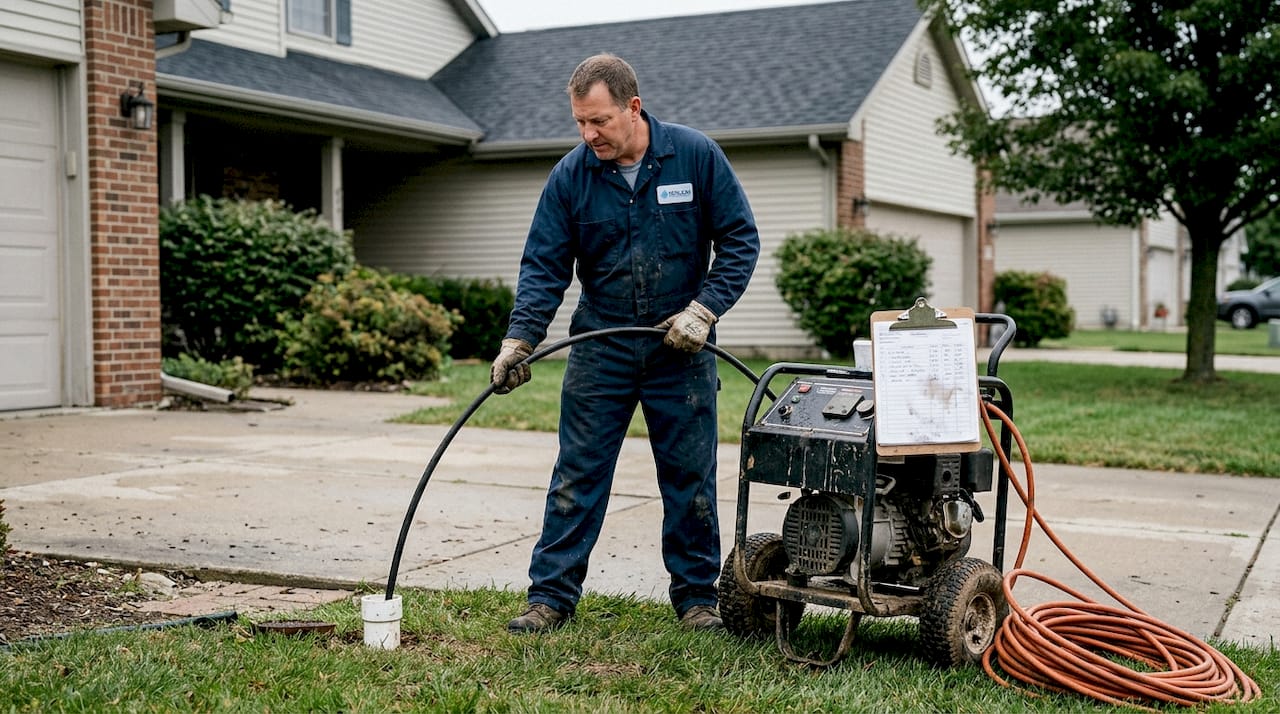
The hydro jetting equipment includes a water tank, high-pressure pump, reinforced hose, and specialized nozzles, with pressures reaching up to 4,000 PSI for residential use and even higher for commercial applications.
Common applications include:
- Kitchen drain lines clogged with grease and food waste
- Main sewer lines blocked by roots or accumulated sludge
- Commercial kitchen or restaurant floor drains
- Storm drains and industrial lines
These drain cleaning methods vary widely in their approach and effectiveness. Hydro jetting sits at the more intensive end of the spectrum, designed for situations where lighter tools simply cannot finish the job.
Pro Tip: Never attempt to operate hydro jetting equipment yourself. The PSI levels involved can cause serious injury and can damage pipes if applied without proper assessment. Always hire a licensed plumber.
| Equipment component | Function | Key specification |
|---|---|---|
| Water tank | Supplies pressurized water | 50 to 100+ gallon capacity |
| High-pressure pump | Generates water pressure | Up to 4,000 PSI (residential) |
| Reinforced hose | Delivers water to nozzle | Flexible, puncture-resistant |
| Specialized nozzle | Directs and controls water flow | Multiple types for different clogs |
What problems does hydro jetting fix?
Not every stubborn drain problem responds to the same solution. Hydro jetting is specifically built for the clogs and buildups that defeat simpler tools.
Here are the most common problems hydro jetting resolves:
- Grease buildup: Cooking fats and oils cool and solidify inside pipes over time, eventually narrowing the passageway to a trickle.
- Tree root intrusion: Roots grow toward moisture and can crack into sewer lines, causing major blockages.
- Compacted debris: Sand, dirt, and small objects pack tightly in drain lines, especially in older homes.
- Mineral scale: Hard water leaves calcium and lime deposits on pipe walls, restricting water flow.
- Sludge accumulation: Organic matter breaks down and coats the pipe interior, slowing drainage noticeably.
A drain snake can push through soft blockages, but it leaves the buildup on the pipe walls. That remaining debris continues to collect material and the clog returns, sometimes within weeks. Hydro jetting clears grease, roots, debris, and mineral buildup completely in both residential and commercial settings.
“Hydro jetting is the most thorough method for clearing heavily soiled drain and sewer lines. It removes buildup at the pipe wall level, not just the center channel. For recurring or severe clogs, it is often the only method that produces lasting results.” — Plumbing industry consensus
Watch for these signs that hydro jetting may be needed:
- Drains that slow down or back up repeatedly despite prior clearing
- Multiple fixtures draining slowly at the same time
- Gurgling sounds from drains or toilets
- Sewage odors coming from floor drains
For common sewer line issues, catching problems early makes the process much simpler and less costly. For commercial properties, a blocked main drain can halt kitchen operations or flood service areas. Hydro jetting scheduled as preventive maintenance avoids costly downtime. The plumbing inspection benefits for businesses are especially strong when maintenance is paired with routine video inspection.

Comparing hydro jetting with alternative drain cleaning methods
Before committing to any drain service, it helps to understand your options and what each delivers.
| Method | Cost estimate | Effectiveness | Pipe wear risk | Results duration |
|---|---|---|---|---|
| Hydro jetting | $300 to $600+ | Removes all buildup | Low to moderate (inspection required) | 1 to 5 years |
| Snaking / augering | $100 to $250 | Punches through clogs | Very low | Weeks to months |
| Chemical cleaners | $10 to $30 | Dissolves soft clogs only | Moderate to high | Short term |

As
expert perspectives confirm, hydro jetting is more thorough than snaking but may be unnecessary for minor clogs or fragile older pipes. Snaking is less costly and far gentler on delicate lines.
How to decide which method fits your situation:
- Identify the clog type. A single slow sink may only need snaking; foul odors across multiple drains suggest a deeper problem.
- Consider pipe age and material. PVC and cast iron in good condition handle hydro jetting well. Old clay pipes may not.
- Check recurrence. If the same clog keeps coming back, snaking is a short-term fix at best.
- Get a camera inspection. A visual look inside the pipe removes guesswork and protects you from authorizing unnecessary work.
- Compare costs against long-term value. A single hydro jetting service that lasts several years may cost less than repeated snake jobs.
For guidance on drain cleaning safety, it is worth reviewing what chemicals and tools are appropriate for your specific pipe material. And investing in regular drain cleaning as a scheduled task, rather than a reactive fix, saves significantly over time.
Pro Tip: Always request a camera inspection before authorizing hydro jetting. If a pipe already has cracks or sections starting to separate, high pressure can worsen the damage. A camera check costs very little compared to a pipe repair.
Is hydro jetting right for your home or business?
Not every clogged drain calls for hydro jetting. Knowing when to use it and when to step back is part of making a smart, budget-conscious decision.
Hydro jetting is likely appropriate when:
- You experience recurring clogs that return within weeks of being cleared
- Multiple drains in your home or building are slow simultaneously
- A camera inspection confirms root intrusion or heavy buildup
- Your commercial kitchen or facility drains need routine high-volume clearing
- You want a thorough, long-lasting result rather than a temporary fix
Consider skipping hydro jetting when:
- Your pipes are made from aging clay or deteriorating materials
- A camera inspection reveals cracks, fractures, or sections at risk of collapse
- The clog is minor and localized to a single fixture
The benefits of hydro jetting for long-term pipe cleaning are real, but older or fragile plumbing requires professional assessment first before any high-pressure work is approved. Done at the right time on the right pipes, hydro jetting delivers clean walls, restored flow, and significantly less chemical use than repeated treatments.
Reviewing a plumbing maintenance checklist each year helps you stay ahead of these problems rather than reacting to them. If your property has older fixtures or worn infrastructure, understanding plumbing upgrades that modernize your system can reduce how often you need emergency service. Before authorizing any intensive service, use a plumbing inspection guide to understand what a full diagnostic should include.
Pro Tip: Ask for a written price estimate and a pre-service camera inspection report before any hydro jetting work begins. This protects you from unexpected charges and ensures the method is appropriate for your system.
The real-world value of hydro jetting: What most guides don’t tell you
Hydro jetting gets a lot of praise online, and much of it is deserved. But we have seen a pattern in the field that most articles skip over. Property owners often wait until a drain situation becomes an emergency before calling for help. At that point, the cost and disruption are much higher than they would have been with earlier action.
Hydro jetting is not a repair method. It cannot fix a cracked pipe, a collapsed section, or a joint that has shifted. Treating it as a cure-all leads to frustration and repeated service calls. The real value is in using it proactively, paired with a camera inspection, as part of a regular maintenance schedule.
We also see properties where light snaking was done repeatedly for years when the actual problem was a root system quietly expanding inside the line. Getting ahead of identifying sewer line issues early is far less disruptive than dealing with a full blockage later. Always get a complete pipe diagnostic before authorizing high-pressure work. That one step protects both your budget and your pipes.
Get professional help for tough clogs and healthy pipes
Hydro jetting delivers reliable, long-lasting results when applied to the right problem on the right pipes. If your drains are slow, recurring, or producing unusual odors, it may be time to move beyond temporary solutions.

At PSV Plumbing Inc, we help both homeowners and commercial clients assess, clean, and maintain their drain and sewer systems with confidence. Whether you need drain cleaning tips before deciding on a service, want to set up a schedule for regular drain maintenance, or are dealing with serious sewer line problems, our licensed and insured team is ready to help. Contact us today for a free quote and let’s work together to keep your plumbing running efficiently.
Frequently asked questions
How does hydro jetting differ from snaking?
Hydro jetting uses high-pressure water to fully scour and clean pipe walls, while snaking only pushes through the center of a blockage and leaves residue and buildup behind. For recurring or heavy clogs, hydro jetting produces more thorough and longer-lasting results.
Is hydro jetting safe for all pipes?
Hydro jetting is safe for most modern plumbing materials, but fragile or damaged pipes require a professional assessment first. Older clay pipes or lines with existing cracks may not handle the pressure without risking further damage.
What types of blockages does hydro jetting remove?
Hydro jetting effectively removes grease, roots, debris, and mineral buildup in both residential and commercial piping. It is especially effective for recurring clogs that return quickly after standard clearing.
Does hydro jetting prevent future clogs?
Yes. By scouring buildup from pipe walls completely, hydro jetting removes the material that new debris clings to, helping delay or prevent future blockages longer than traditional methods.
When is hydro jetting not recommended?
Hydro jetting is not advised for fragile or seriously deteriorated pipes, old clay lines, or any pipe system where a camera inspection has identified existing cracks or structural defects. In those cases, repair must come before cleaning.
Leave a Reply