TL;DR:
- Proper plumbing assessment before remodeling prevents costly delays and hidden issues.
- Skilled plumbers ensure code compliance, correct pipe fitting, and leak detection for seamless upgrades.
- Early professional involvement boosts home value, reduces future repairs, and ensures long-term system performance.
Renovation projects can unravel fast when plumbing is treated as an afterthought. We’ve seen it happen more times than we’d like: a homeowner tears out a bathroom wall, discovers corroded pipes behind the tile, and suddenly a two-week remodel turns into a two-month ordeal with a budget that’s doubled. Plumbers do far more than fix dripping faucets. During any remodel, they assess existing systems, ensure code compliance, coordinate with other trades, and install fixtures that last. This guide walks you through exactly what skilled plumbers do at every stage of a renovation, so you can protect your investment and keep your project on track.
Table of Contents
- Assessing and planning your plumbing for renovations
- Core plumbing skills that make renovations seamless
- Modern plumbing materials and fixture upgrades
- Troubleshooting and preventing plumbing problems during remodeling
- Long-term benefits of involving plumbers early in renovations
- Why most renovation budgets underestimate plumbing
- Ensure renovation success with trusted plumbing pros
- Frequently asked questions
Key Takeaways
| Point | Details |
|---|---|
| Early plumber involvement | Involving plumbers at the start prevents costly renovation errors and delays. |
| Modern material choices | Choosing the right piping and fixtures with a pro saves money and boosts efficiency. |
| Troubleshooting expertise | Skilled plumbers quickly find and resolve hidden problems before they escalate. |
| Long-term property value | High-quality plumbing upgrades during renovations increase home value and reduce future repairs. |
Assessing and planning your plumbing for renovations
Now that you understand why plumbing can make or break a remodel, let’s see what skilled plumbers actually do before any work starts.
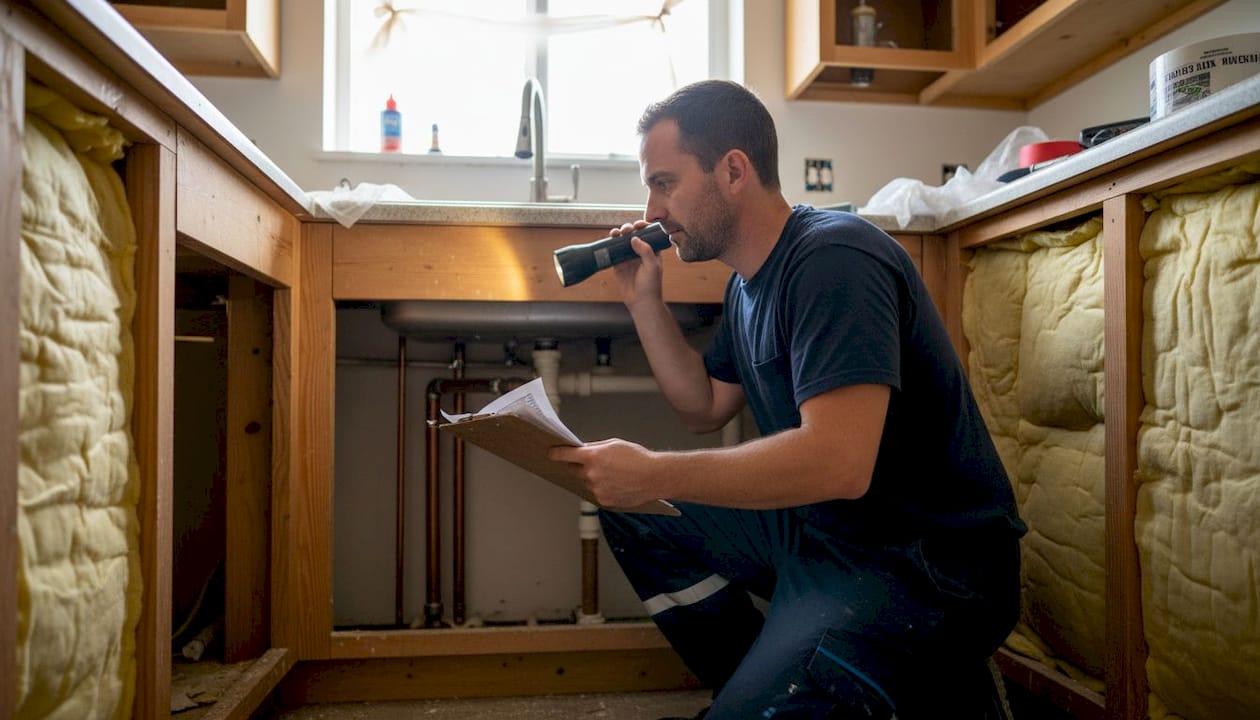
A thorough plumbing assessment before demolition is one of the most valuable steps in any renovation. Plumbers inspect existing pipe materials, check for hidden leaks using moisture meters and pressure tests, and evaluate whether current fixtures can handle the demands of your new layout. Skipping this step is one of the most expensive mistakes homeowners make. You might purchase a beautiful new soaking tub only to discover your drain lines can’t support it.

Licensed plumbers also read and interpret architectural blueprints, integrating plumbing plans with your renovation design. They flag conflicts early, like a new kitchen island that would require rerouting a main drain line, before those conflicts become costly mid-project surprises. Plumbing skills every pro should know include blueprint reading, code compliance, and leak detection, all of which are critical during the planning phase.
Collaboration with electricians, HVAC technicians, and general contractors is another key responsibility. Plumbers confirm that pipe routing won’t interfere with ductwork or electrical panels, saving everyone time and money.
Here’s a quick assessment checklist your plumber should work through before renovation begins:
- Inspect all visible and accessible pipes for corrosion or damage
- Test water pressure throughout the home
- Identify the age and material of existing supply and drain lines
- Confirm fixture locations align with drain and vent stack positions
- Check plumbing code requirements for your local jurisdiction
- Review plumbing inspection tips for bathroom-specific concerns
- Evaluate water heater capacity for new fixture demands
Pro Tip: Schedule a code-compliance inspection before purchasing any fixtures. Local codes vary widely, and buying non-compliant fixtures upfront is a costly and frustrating mistake that’s entirely avoidable.
“The best time to catch a plumbing problem is before the walls come down, not after they go back up.” Consulting a licensed plumber before you finalize your renovation timeline is one of the smartest investments you can make. A solid maintenance planning strategy from the start protects your schedule and your budget.
Core plumbing skills that make renovations seamless
Knowing the planning steps, let’s look at the proven plumbing skills that keep renovations frustration-free.
Code compliance is non-negotiable. Failing a rough-in inspection means tearing out completed work, which adds days to your timeline and hundreds or thousands of dollars to your costs. Experienced plumbers know local codes inside and out, so your project passes inspection the first time.

Leak detection during rough-in stages is equally critical. Plumbers perform pressure tests on new supply lines before walls are closed, catching problems while they’re still easy to fix. According to industry data, water damage from leaks is among the most common and expensive renovation setbacks, making early detection essential.
Pipefitting methods vary by material, and choosing the right one affects both cost and long-term performance:
| Method | Material | Key benefit |
|---|---|---|
| Soldering | Copper | Durable, long-lasting joints |
| Crimping | PEX | Fast installation, flexible routing |
| Solvent welding | PVC | Low cost, ideal for drain lines |
Safe fixture installation requires more than just connecting supply lines. Plumbers protect surrounding surfaces, confirm proper sealing to prevent moisture intrusion, and verify that each fixture is level and secure. Rushed or improper installation leads to leaks behind walls that go undetected for months.
When blockages appear in new drain lines, plumbers use hydro-jetting to clear debris with high-pressure water, or drain snakes for more targeted obstructions. Both methods are far safer for new piping than chemical drain cleaners, which can degrade pipe materials over time. You can upgrade your plumbing system while keeping existing drain infrastructure intact when you work with a skilled professional.
Key skills every renovation plumber should bring to your project:
- Pressure testing supply and drain lines before wall closure
- Reading and adapting to as-built drawings
- Identifying and correcting improper venting
- Coordinating rough-in timing with other trades
- Selecting appropriate pipe materials for each application
Modern plumbing materials and fixture upgrades
Seamless renovations also depend on using the right materials and picking modern fixtures. Here’s how plumbers help with those choices.
Material selection has a major impact on both upfront cost and long-term performance. Modern materials like PEX have largely replaced copper in new residential installations because of lower material cost, easier installation, and superior flexibility in tight spaces. Here’s how the three most common options compare:
| Material | Cost | Lifespan | Flexibility |
|---|---|---|---|
| PEX | Low | 25 to 40 years | High |
| Copper | High | 50 or more years | Low |
| PVC | Very low | 25 to 40 years | None |
Water-saving toilets, low-flow faucets, and tankless water heaters are popular upgrades during renovations. These fixtures reduce monthly utility bills and increase your home’s resale value. Many utility companies offer rebates for water-efficient fixtures, so the savings can start immediately.
Here’s how to select the right fixtures with your plumber’s guidance:
- Identify your water pressure range before choosing fixtures
- Confirm drain line diameter matches new fixture requirements
- Review local rebate programs for water-efficient products
- Check plumbing fixture upgrades that align with your renovation goals
- Verify installation requirements with your plumber before purchasing
- Confirm that regular drain care needs are factored into your fixture choice
Pro Tip: Always confirm fixture compatibility with your local water supply. Hard water areas require fixtures with specific internal components to prevent premature mineral buildup and failure.
Upgrading plumbing during a renovation reduces long-term maintenance needs significantly. New materials and efficient fixtures simply require less attention over time, which means fewer emergency service calls and lower annual maintenance costs for you.
Troubleshooting and preventing plumbing problems during remodeling
Even the best plans hit snags. Here’s how plumbers keep your renovation from going sideways when problems appear.
Hydro-jetting uses water at very high pressure to clear construction debris, sediment, and buildup from new drain lines before they cause slow drains or backups. Drain snakes handle more localized blockages, like a fitting that caught debris during installation. Both tools are standard in any experienced plumber’s kit.
When a blockage appears during a renovation, here’s the process a professional follows:
- Identify the blockage location using a drain camera
- Determine whether the obstruction is debris, a fitting issue, or a pipe misalignment
- Select the appropriate tool: snake for soft blockages, hydro-jet for harder buildup
- Clear the obstruction and flush the line
- Retest water flow and confirm proper drainage slope
- Document the issue for future reference
Pro Tip: Always conduct a full system pressure test before closing up walls. This single step catches the vast majority of supply line issues while repairs are still straightforward and inexpensive.
Red flags for code violations include improper venting, incorrect pipe slope on drain lines, and missing cleanout access points. These issues don’t just fail inspections. They cause real problems down the road, including sewer gas entering the home and chronic drain backups. Watch for sewer line warning signs throughout your project.
Common plumbing mistakes made during DIY renovation attempts include:
- Connecting incompatible pipe materials without proper fittings
- Installing fixtures without confirming vent stack connections
- Ignoring required permit pulls and inspections
- Using incorrect pipe slope, causing slow drains
- Skipping pressure tests before closing walls
Professional plumbers avoid all of these by following a structured process and using proven drain cleaning methods when issues arise.
Long-term benefits of involving plumbers early in renovations
All these technical skills add up to one thing: real value and genuine peace of mind, if you involve a plumber from day one.
Major renovation setbacks like water damage, failed inspections, and code violations are almost always preventable. They happen most often when plumbing is treated as a last-minute addition to the project rather than a core part of the plan. Expert plumbing skills applied early prevent the kind of expensive surprises that derail timelines and budgets.
Long-term benefits of early plumber involvement include:
- Higher resale value from modern, code-compliant plumbing
- Lower monthly utility bills through water-efficient fixtures
- Fewer emergency repairs in the years following renovation
- Reduced risk of water damage and mold behind walls
- Greater buyer confidence during home inspections
- Longer system lifespan from quality materials and proper installation
“Every dollar invested in proper plumbing during a renovation saves three to five dollars in future repairs. The math is simple, but most homeowners only see it after the fact.”
Ongoing maintenance and periodic inspections after your renovation are just as important as the initial installation. Pipes settle, fixtures wear, and water pressure fluctuates over time. A consistent ongoing plumbing maintenance schedule keeps your newly renovated systems performing at their best for years to come.
Why most renovation budgets underestimate plumbing
With all this in mind, here’s what most experts won’t tell you about real renovation costs and priorities.
Plumbing is out of sight and out of mind until something fails. That’s exactly why most renovation budgets shortchange it. Homeowners allocate money to tile, cabinetry, and countertops because those are visible. Pipes and drain lines are invisible, so they get the minimum budget allocation. Then a hidden leak or a failed inspection changes everything.
The costliest calls we receive are almost always preventable. A modest upfront investment in a thorough plumbing assessment, quality materials, and proper installation would have saved those homeowners thousands. We’ve seen $500 in skipped inspections turn into $8,000 in water damage repairs.
Our honest advice: always over-budget for plumbing upgrades. The savings show up in years, not months, through lower utility bills, fewer repairs, and a higher property value. Reviewing your full maintenance priorities before finalizing your renovation budget is one of the most practical steps you can take. Plumbing isn’t where you cut corners. It’s where you build the foundation that makes everything else work.
Ensure renovation success with trusted plumbing pros
Ready to move from plans to action? Here’s how you can ensure your renovation succeeds with the help of experienced plumbing pros.
The right plumber prevents renovation headaches before they start. From initial assessments to final fixture installation, professional plumbing work protects your timeline, your budget, and your home’s long-term value. We’re here to help you make smart decisions at every stage.

Explore top plumbing upgrades that add real value to your renovation, and learn how regular drain cleaning keeps your new systems running smoothly long after the project wraps up. When you’re ready to get started, our team at PSV Plumbing Inc is ready to deliver reliable, quality plumbing solutions tailored to your project. Let’s work together to get it done right.
Frequently asked questions
Why should a plumber be involved early in a renovation project?
Plumbers help prevent costly mistakes, ensure code compliance, and improve long-term system reliability by guiding design and installation from the outset. Early involvement also means fewer surprises once walls are opened and demolition begins.
Is PEX better than copper for plumbing in renovations?
PEX is often favored for its lower cost, flexibility, and fast installation, making it ideal for most renovation projects. Copper remains a strong choice where longevity is the top priority and budget allows.
How do plumbers detect hidden leaks during renovations?
Plumbers use advanced pressure testing and moisture meters along with visual inspections of exposed piping to find leaks before new materials are installed. Catching leaks at this stage prevents water damage and costly future repairs.
What plumbing upgrades add the most value during remodeling?
Efficient fixtures and tankless heaters along with modern piping materials provide lasting value through lower maintenance costs and reduced energy bills. These upgrades also improve buyer confidence during future home inspections.
Leave a Reply